Citizen Scientists Lead the Conversation
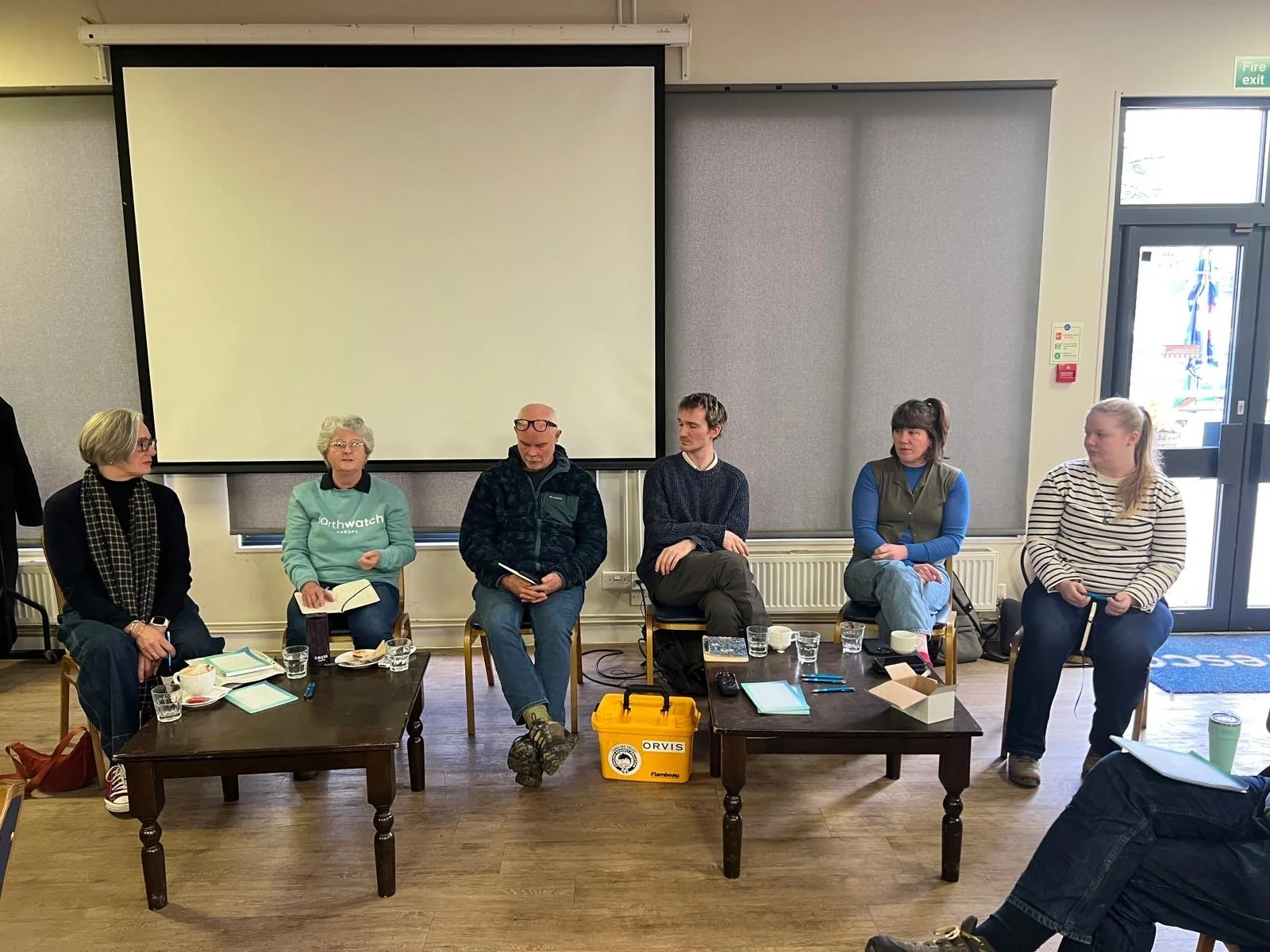
The Morning Panel
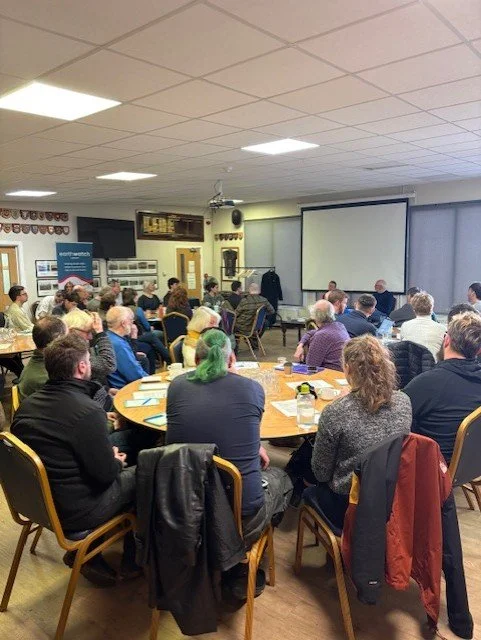
On the 4th February 2026, fifty people gathered in Henley for something special - a citizen science event where citizen scientists led the conversation - and water companies, regulators, and tech innovators came to listen and learn.
It was a wonderful opportunity for industry and regulators to hear directly from the people on the ground who know their rivers intimately. Citizen scientists from across the Thames Valley and further afield shared what they're discovering, what's working, and what needs to change.
The Morning Panel
Panel Co-Chairs Hannah Gunter and Claire Zambuni, Testing the Waters Consortium
Kirsty Davies, Community Water Quality Manager, Surfers Against Sewage
Laura Bannatyne, Freshwater Research Manager, Earthwatch Europe
Alex Farquhar, Freshwater Campaigns and Advocacy Officer, Angling Trust
Dave Wallace, HoTWater
Chris and Dave (HotWater, Henley) explained their long-term investigation into sewage treatment works impacts.
Mike Hendry (Thames-Watch UK) shared how Thames Water funding is putting test kits into schools during British Science Week
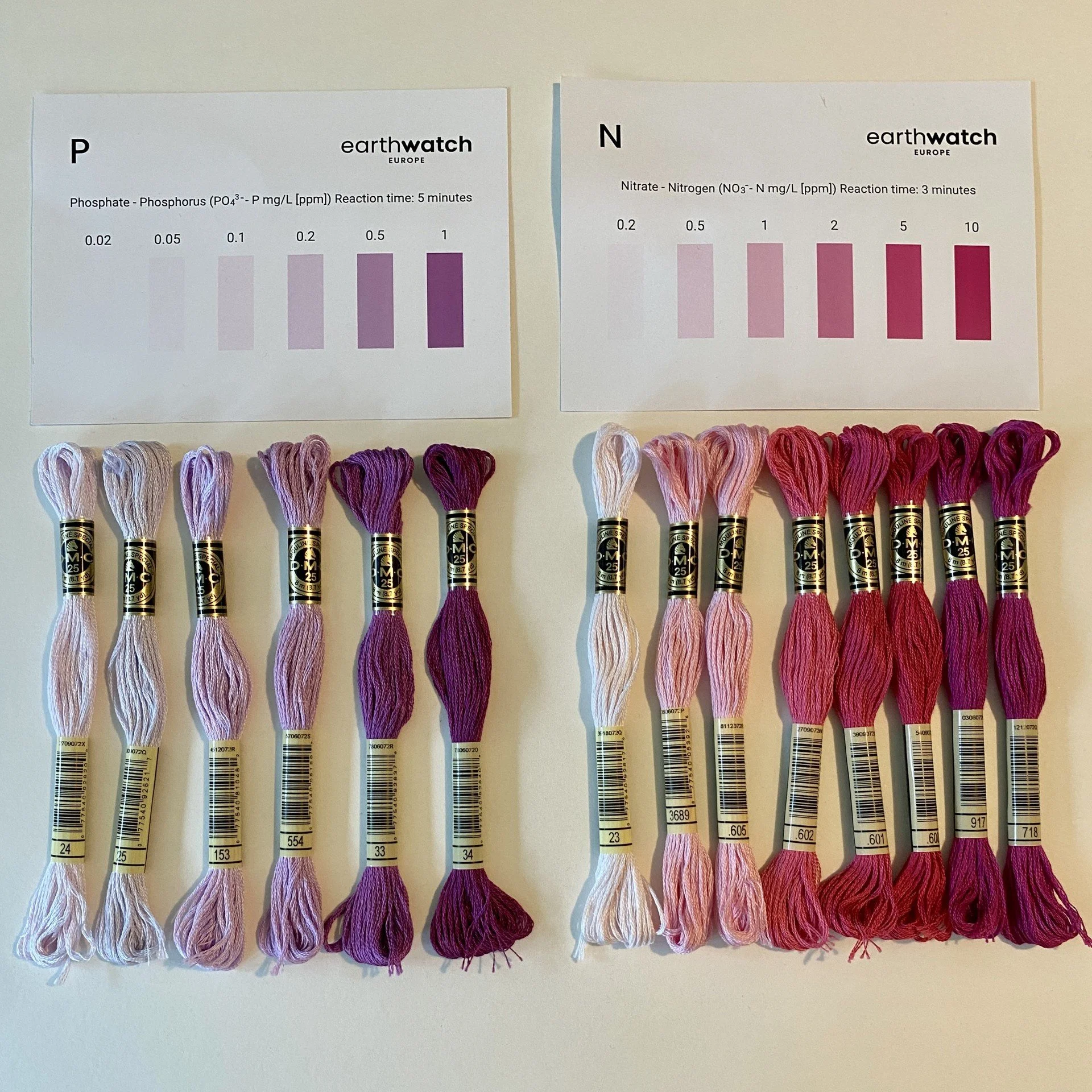
Becca Calvert and Keith Patton (Windsor RiverWatch) reminded us it's about heart as well as head - community and connection, not just data.Elly Platt showed how her Pollution Portraits turn water test results into embroidered art.
Earthwatch Europe provided test kits so everyone could become a citizen scientist for the day. We headed to the River Thames before lunch, where attendees experienced firsthand what it's like to monitor water quality - industry professionals, regulators, and citizen scientists all learning together by the river.
The Afternoon
Four working groups tackled real questions including…
How do we standardise without losing flexibility? Answer: standardise the method for each approach, not which approach to use. "Horses for courses."
What are the barriers? Time, money, acceptance, route to impact. Solutions: celebrate wins (like MPs using citizen science data), make it fun and social, try citizen journalism.
Are citizen scientists limited to data collection? No - some go deeper into monitoring, others into analysis, others into funding and advocacy. There's room for everyone, head and heart.
Do we chase trendy parameters? Embrace innovation, but keep your baseline consistent. Create a "responsible novelty funnel" - try new things while maintaining what works.
What Made It Work
Water companies, the Environment Agency, and tech innovators came ready to listen and learn from the people doing this work day in, day out.
When industry and regulators genuinely want to understand what citizen scientists need - not just present their own solutions - real collaboration becomes possible. That openness created space for honest conversations about barriers, innovations, and what actually works on the ground.
Recognition
The event made the front page of the Henley Standard and was featured in The Henley Herald - recognition that citizen science is moving from the margins to the mainstream of water protection.
What's Next
These conversations continue at The River Summit & Festival, 4-5 September in Henley.
This is what collaboration looks like when citizen scientists lead.