

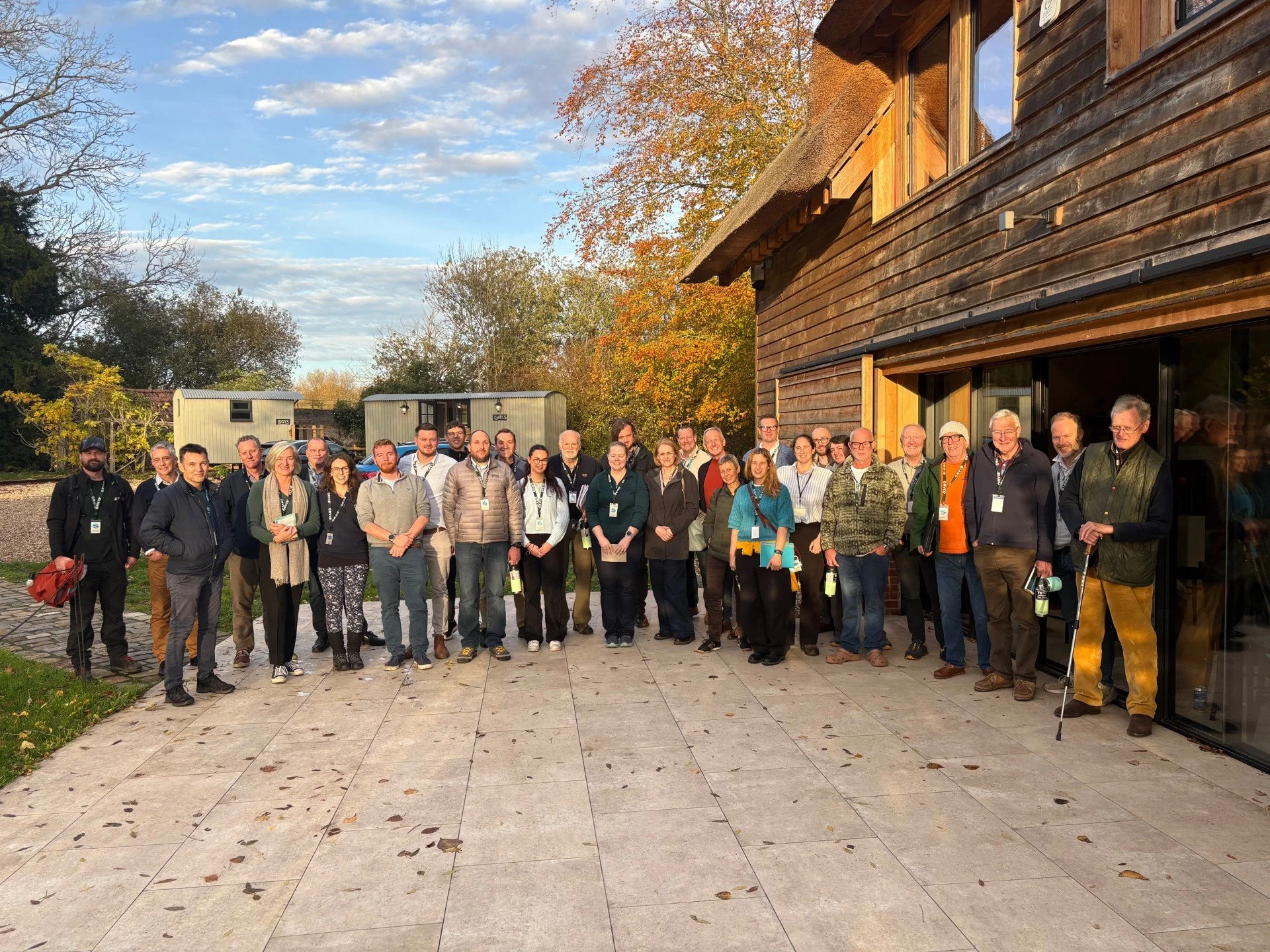
“Testing the Waters is bringing together voices from throughout the environmental sphere, from citizen scientists to industry to regulators it’s all about our water quality. The consortium is driving forward to develop new ways of engaging and collaborating to better safeguard and prioritise our rivers. Join us at the 2026 River Summit as we showcase our work and member’s projects to provide inspiration for protecting our blue planet.”
Every drop of fresh water is precious. But pollution, climate change and over-exploitation have brought our freshwater ecosystems to crisis point. Earthwatch Europe is working to transform our rivers, lakes, streams, ponds, wetlands and reservoirs into clean, thriving habitats for people and wildlife. The FreshWater Watch project uses the power of citizen science to help communities to monitor water quality, identify problems, and fight for improvements.
HoTWater -- Henley-on-Thames Water -- is a community water quality monitoring programme run by a group of passionate volunteers who between them bring scientific expertise, local knowledge, technical skills, and a deep love of the River Thames. Founded by Chris Szweda and Dave Wallace, and funded by Henley Town Council, the group tests at four sites in Henley twice a week, 52 weeks a year, building a long-term dataset that helps the community understand what is actually in their river. Our volunteers are not just data collectors -- some analyse results, others tell the story, and every one of them has their own reason for being here and their own story to tell about why this river matters to them.

Seneye is an innovative sensor company at the forefront of real time river monitoring, manufacturing the only sensor that legally meets the requirements of S82 of the Environment Act. Its technology continuously measures toxic ammonia directly, alongside pH, temperature, dissolved oxygen and turbidity every 15 minutes, providing a live, remote picture of water quality.
Through extensive river work, Seneye has also identified that while detecting pollution is important, understanding its composition and origin is critical. In response, the automated microsampler was developed and it triggers when toxic ammonia levels rise, capturing a physical water sample at the exact moment of impact. The eDNA from these samples is then analysed to quantify E. coli and Enterococcus levels, whilst identifying pollution sources and assessing biodiversity. This integrated approach not only provides early warning of pollution events but also helps pinpoint their origin and evaluate their ecological impact by comparing biodiversity before and after an incident, offering a clearer, evidence-based understanding of both source and consequence to river health.