The Power of People - How ordinary people can effect change
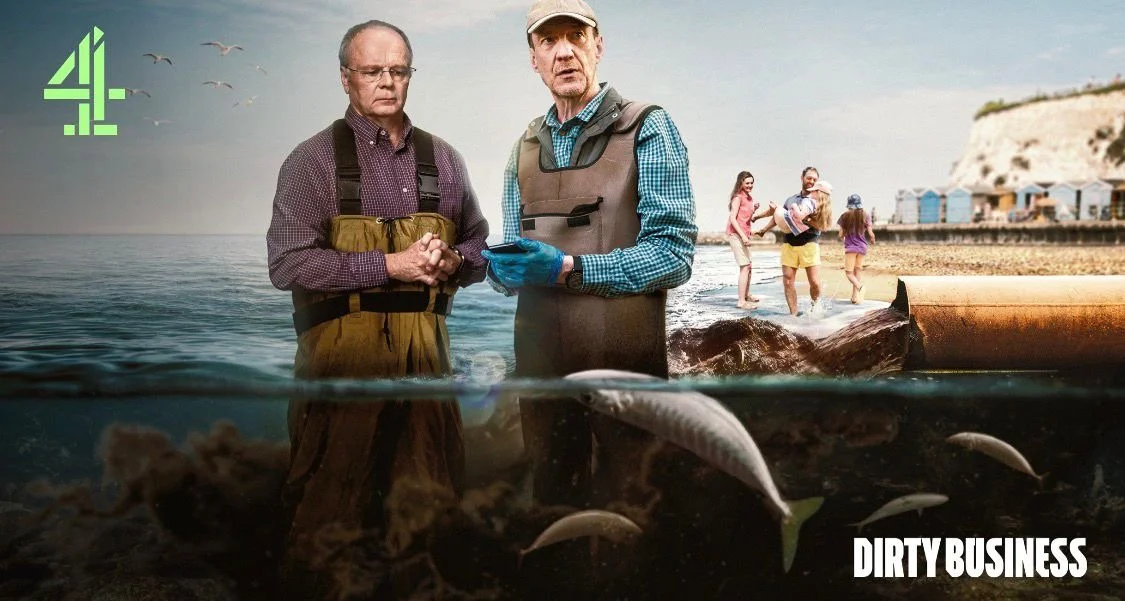
Tonight, Channel 4's new series "Dirty Business" begins - a striking three-part drama exposing England's water companies dumping raw sewage. Based on a decade-long investigation and real stories of whistleblowers and victims, it follows two unlikely detectives in an Oxfordshire hamlet who notice fish dying in their river and refuse to accept the water company's explanations.
One of those men, Ash Smith, from Windrush Against Sewage Pollution (WASP), has been a valuable contributor and panelist at past two UK River Summits, where his extraordinary journey from concerned citizen to determined truth-seeker led him and Peter Hammond to create WASP who investigate water company pollution and regulatory performance. Their tenacious and evidence led approach have led to some truly shocking discoveries. Like "Mr Bates vs the Post Office," this drama has the power to make the invisible visible - turning a hidden crisis into national outrage.
It got me thinking about the power of ordinary people to create extraordinary transformation.
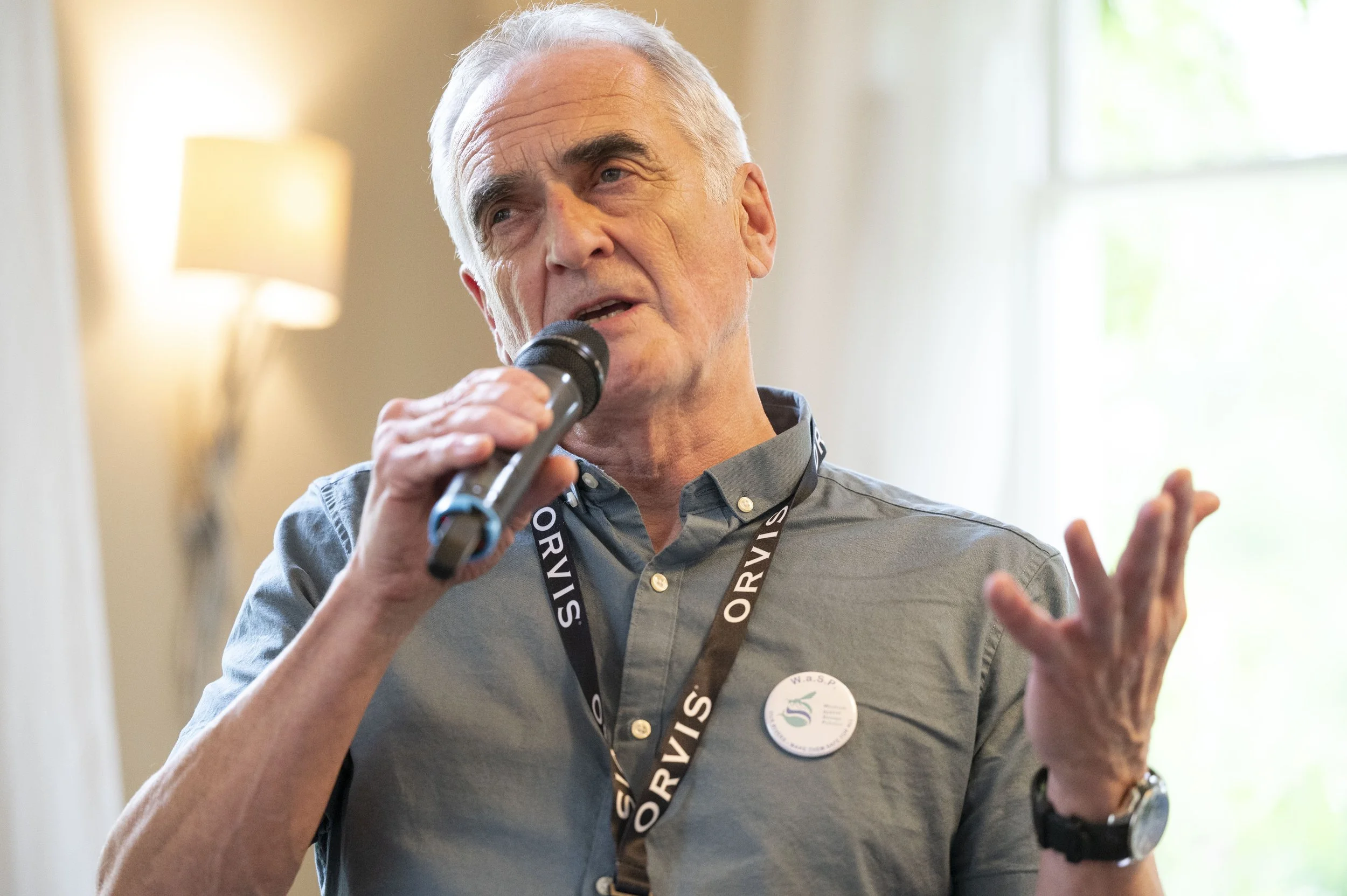
Ash speaking at the UK River Summit 2024
History Shows Us People Power Works
Rachel Carson saw birds dying and wrote "Silent Spring," launching the environmental movement. The Montgomery Bus Boycott lasted 381 days and changed America. Consumer boycotts of apartheid South Africa helped end a regime.
Right here in water work, we see this power every day
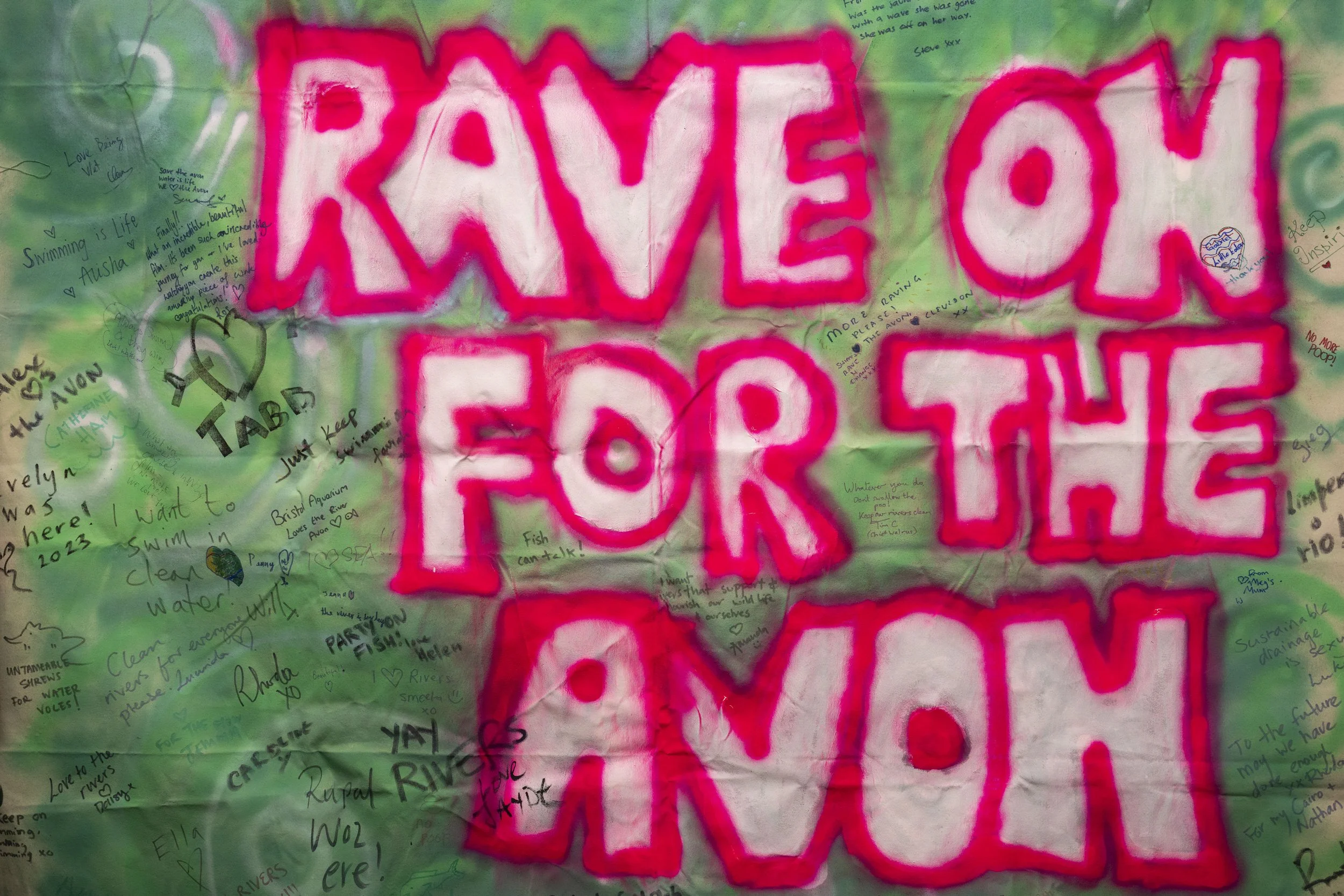
The coalition, led by Surfers Against Sewage who created "The Thames Swim Against Sewage" turned passion into powerful activism, making invisible sewage pollution visible to thousands. Becca Calvert from Windsor RiverWatch started testing the Thames herself - now her citizen science data is cited by MPs in Parliament. The "Rave on for the Avon" community proved campaigning doesn't have to be grim, bringing joy and celebration to river protection.
What struck me from my recent lunch with MP Jack Rankin was his recognition that citizen groups are systematically filling gaps left by regulators and water companies. When official monitoring fails, communities step up.
To Promote Dirty Business, Channel 4’s new factual drama, the broadcaster’s inhouse agency 4Creative has partnered with Glue Society and Biscuit Filmworks to create The Fountain of Filth, an unmissable fountain installation on London’s South Bank.
Your Shopping Basket is your Vote
The UK buys 38.5 million plastic bottles daily. If just 25% of consumers switched to refillable bottles for 6 months, that's £230 million in lost revenue for bottled water companies - and 3.5 billion fewer bottles polluting waterways.
2.5 billion disposable coffee cups are thrown away in the UK annually, many ending up in waterways. If just 30% of coffee drinkers brought reusable cups for a year, that's £150 million in lost cup sales and 750 million fewer cups polluting our rivers.
Technology + Communities = Unstoppable Change
Last year, Future for Water partnered with Proteus Instruments to provide the first live E. coli data available to UK communities in Windsor. Real-time information in the hands of river users and families, empowering informed choices about using their river. Now Windsor RiverWatch runs this program independently - proof that when you give communities tools and information, they become unstoppable.
Tonight's Reminder
"Dirty Business" shows us that two ordinary people noticing dead fish and asking uncomfortable questions can expose a decade-long scandal. Like the Post Office drama that changed everything, accessible storytelling on prime-time television has the power to turn citizen concerns into national conversation.