

YETI Support Henley Citizen Scientists, HoTWater
Every Sample Matters: How the Right Gear Keeps Citizen Science Honest
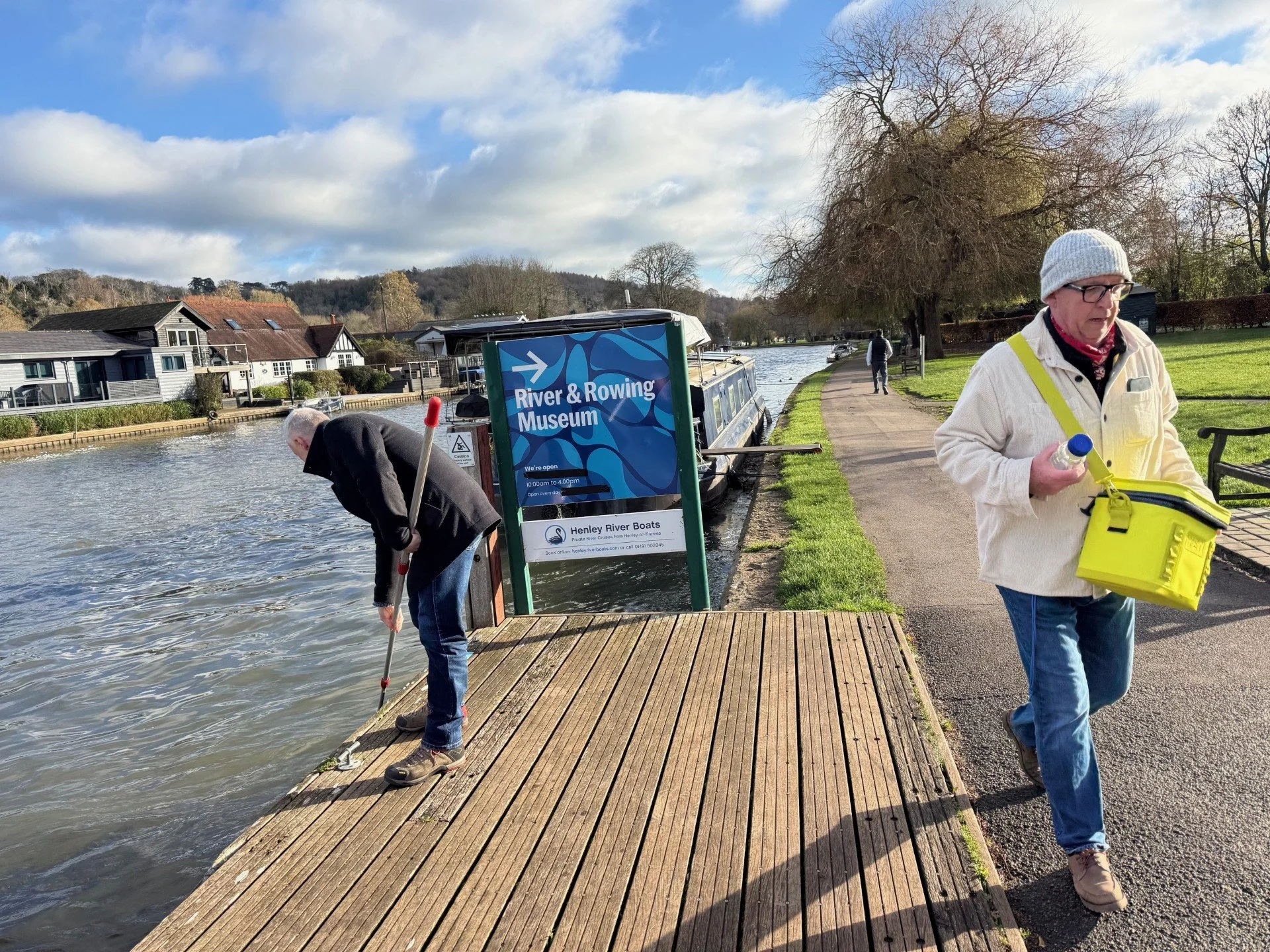
Rain or shine, we're out there. Five of us, every week, two days a week, at four locations along the Thames at Henley. Sometimes Dave's dogs come along. It's a beautiful river. It's also a sick river.
We're not academics or professional scientists. We're citizens who care deeply about our local waterway. And here's the thing about citizen science that people don't always understand: the data must be bulletproof. When you're going up against powerful interests, when you're challenging the status quo, when you're demanding change, your methodology cannot have a single crack in it. Every sample must be collected properly, kept at the right temperature, transported without contamination, and delivered to the lab in pristine condition.
That's where the right equipment stops being a nice-to-have and becomes critical.
We've always been rigorous. Our existing equipment got the job done, and our results have stood up to scrutiny. But when you challenge the status quo and demand change from powerful interests, you need more than good process. You need absolute certainty. There should be no room for anyone to suggest that maybe, possibly, a sample warmed up in transit or a test kit was compromised. It's not enough to do good science. You must do science that leaves no doubt whatsoever.
When YETI reached out through a mutual connection, I'll admit I felt a bit cheeky asking. But Lauren and Grace understood immediately. They understood this wasn't about convenience or comfort. It was about integrity. About keeping samples cold for hours. About protecting delicate testing equipment from the knocks and bumps of weekly fieldwork. About having gear designed for the wild that will not let you down.
That's YETI's approach in a nutshell. They don't make a fuss. They support people doing work that matters, whether that's protecting wild spaces, restoring rivers, or bringing more people into the outdoors. Then they let you get on with it, knowing their gear will do exactly what it's meant to do.
Because that's what we're dealing with: the wild. Not just the weather and the terrain, but the challenge of collecting data that holds up to scrutiny. We've been part of BBC documentaries, we've built an app to publish our results publicly. The work gets attention. But the foundation is solid methodology, and that starts with equipment you can trust completely.
YETI builds gear for people who can't afford failure. That includes citizen scientists whose samples represent the health of an entire river system.
We're five volunteers who believe our river deserves better. We collect data week in, week out, building a credible record that can inform policy and support advocacy. Now, when we head out for our weekly sampling run, we have complete confidence that every sample will be kept exactly as it needs to be. The methodology is sound, the chain of custody is clear, and the equipment does exactly what it promises.
Sometimes the most powerful support isn't the loudest or the flashiest. It's the quiet confidence of knowing your equipment will do its job so you can do yours. It's having one less thing to worry about when you're already fighting an uphill battle.
That small gesture? It makes all the difference.
Because clean rivers don't happen by accident, they happen because people keep showing up. And when you have gear that does exactly what it promises, you can focus on the work that matters.
Rain or shine, we'll be out there.
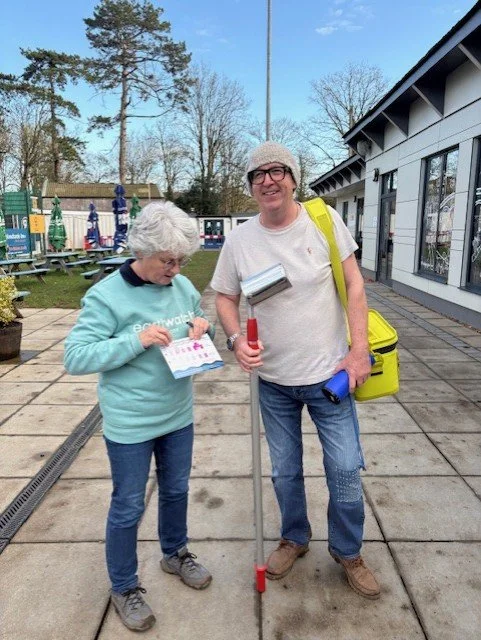
Chris and Laura Bannatyne from Earthwatch Europe at the Testing the Waters Consortium Event February ‘26
Chris Szweda is a co-founder of HoTWater (Henley-on-Thames Water), a Trustee, a Fellow of the Institute of Sustainability and Environment Professionals (ISEP), and a member of the Testing the Waters Consortium. He has spent 37 years working in environmental leadership and believes that citizen science, backed by rigorous methodology and reliable equipment, is essential to achieving clean waterways across the UK.