

Restoring Beverley Brook by Barnes Conservation
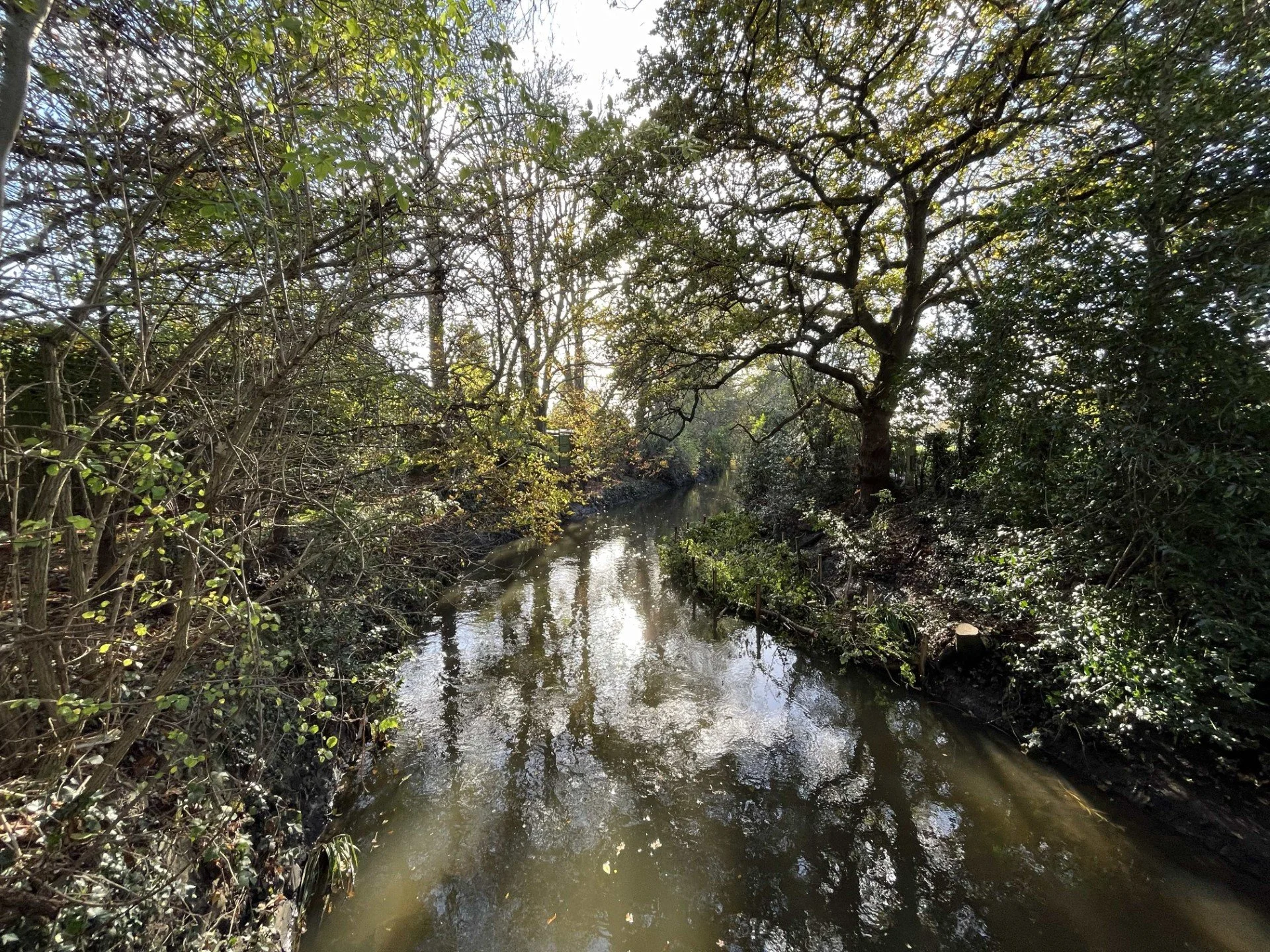
Restoring Beverley Brook presents a complex set of environmental, social, and urban challenges. Flowing through densely populated areas of southwest London, the river has been heavily modified over time, with sections channelled, culverted, and disconnected from their natural floodplain. Pollution from road runoff, sewage misconnections, and surface water drainage continues to degrade water quality, while invasive species and habitat loss have reduced biodiversity. Today the primary source water is treated effluent from the Hogsmill Sewage Treatment Works.
At Barnes Conservation we are working towards improving freshwater biodiversity by enhancing flow hydrology and habitat complexity in a 1.25km stretch of Beverley Brook near Barnes. Prior to restoration works in 2023, extensive baseline data was collected to quantify the physical and ecological condition of Beverley Brook including MoRPh Rivers, SmarRivers, an Outfall Safari, water quality sampling (including E. coli), AudioMoth and electrofishing.
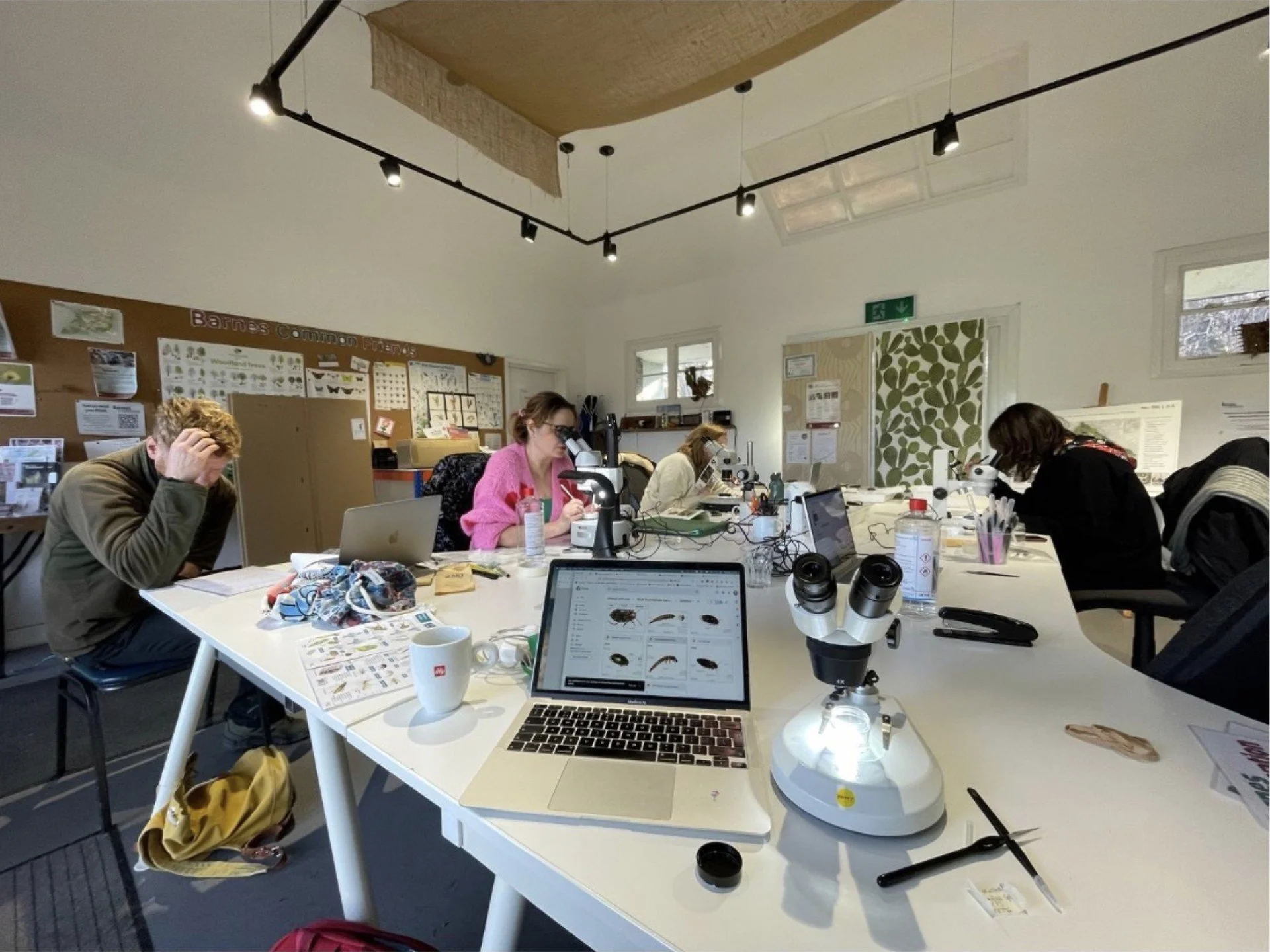
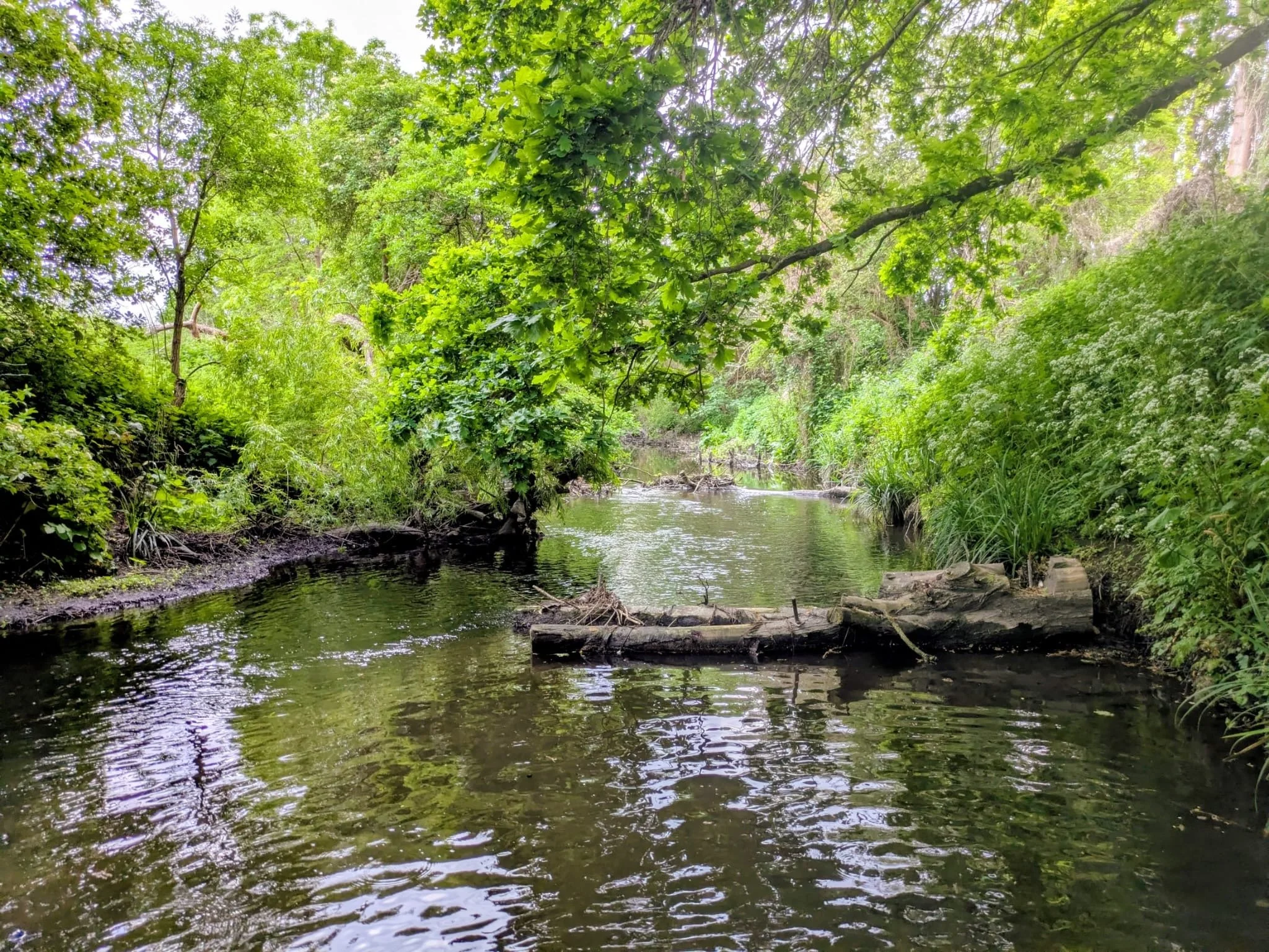
To date, in-channel and riparian river restoration works have increased habitat availability and diversity. Post-restoration data suggests a significant change in the abundance and diversity of some freshwater invertebrate groups, but continued monitoring is necessary to determine whether these early responses represent transient post-restoration dynamics, natural annual variation or longer-term ecological change. Crucially, factors such as environmental pollution may influence the restoration trajectory.
We are also investigating the impact of pollution, using a water quality monitoring programme with citizen scientists to quantify the sources of pollution entering Beverley Brook. We are working with the Environment Agency and Thames Water to address these issues and develop solutions. In addition, we are exploring a catchment-based approach for tackling challenges in recruitment and dispersal barriers to improve species diversity downstream and establishing continuous water quality monitoring.
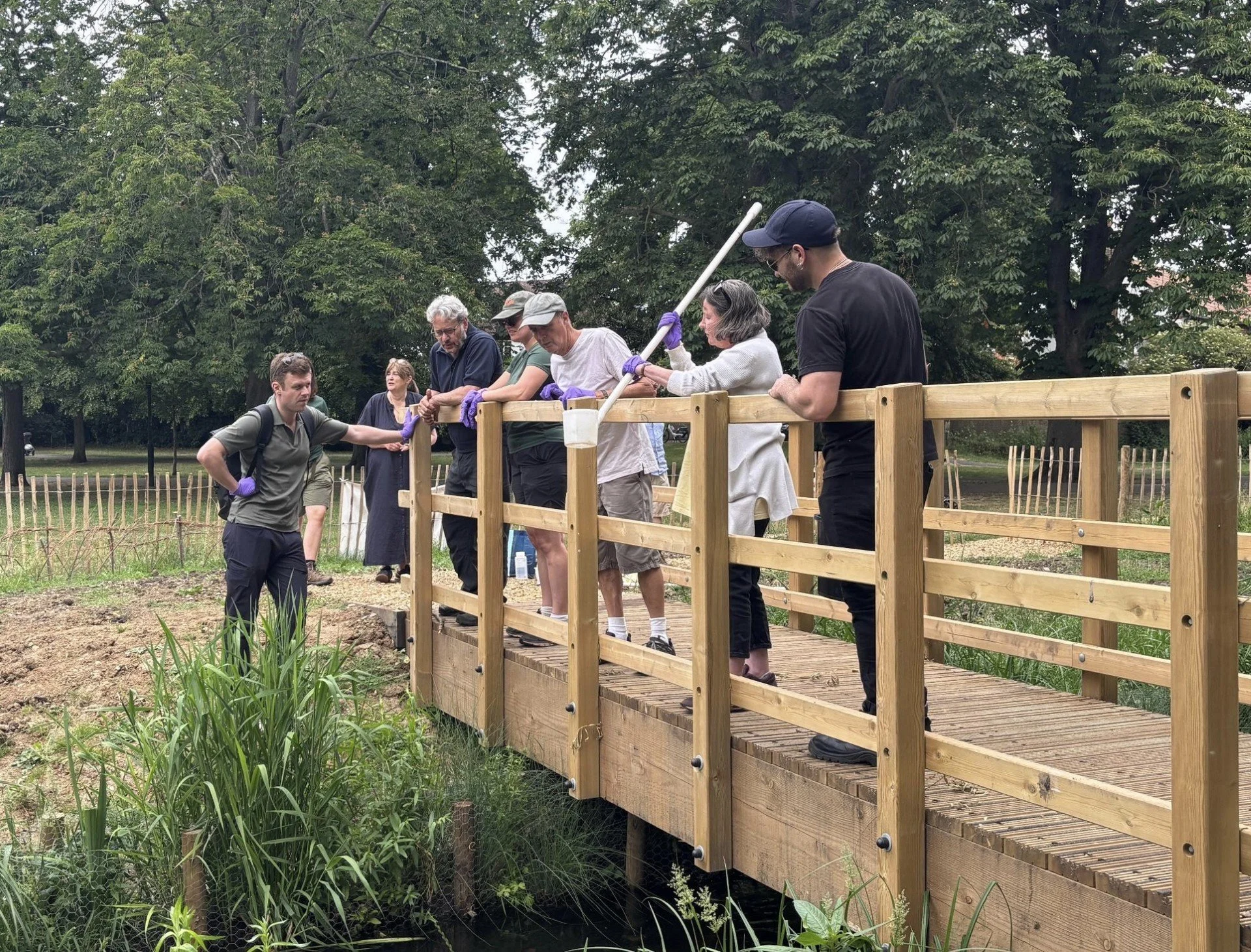
Barnes Conservation is responsible for delivering nature conservation work across multiple sites within the London Borough of Richmond upon Thames. We undertake a broad programme of practical conservation management and ecological survey work. Our practical work spans a wide range of habitats, from river restoration projects and veteran tree management to the conservation of grassland and woodland habitats. We are passionate about ensuring that all our work is grounded in robust, evidence-based practice, and where appropriate is supported by comprehensive pre- and post-intervention monitoring. Alongside this, we aim to remain at the forefront of current research and actively develop innovative research projects that contribute to wider knowledge and understanding in practical conservation.