
Council Chamber Programme
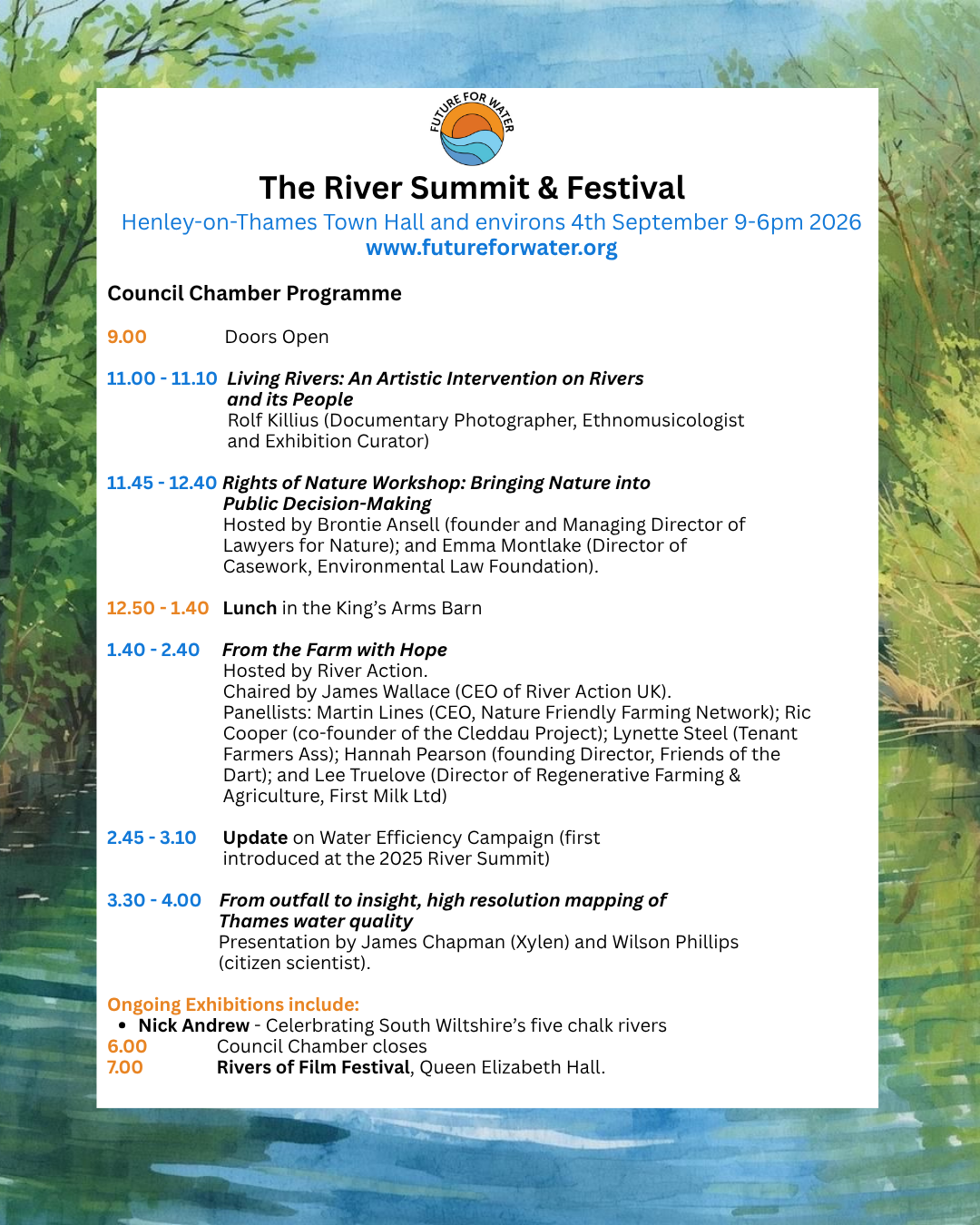
Rights of Nature Workshop
Bringing Nature into Public Decision Making: Rights of Nature in Practice
11.45am-12.40pm
Brontie Ansell, Lawyers for Nature, and Emma Montlake, Environmental Law Foundation, explore together how the Rights of Nature movement is reshaping public decision making and what it means for policymakers and elected representatives.
As the pressure on Nature grows every year, public bodies have an opportunity to place Nature at the heart of governance as a stakeholder in its own right. This session will examine how Rights of Nature/ Rights of Rivers principles can inform policy, strengthen decision making, and support healthier communities alongside thriving ecosystems. Through practical examples and discussion, participants will gain insight into how these emerging approaches can be applied within local and national government.
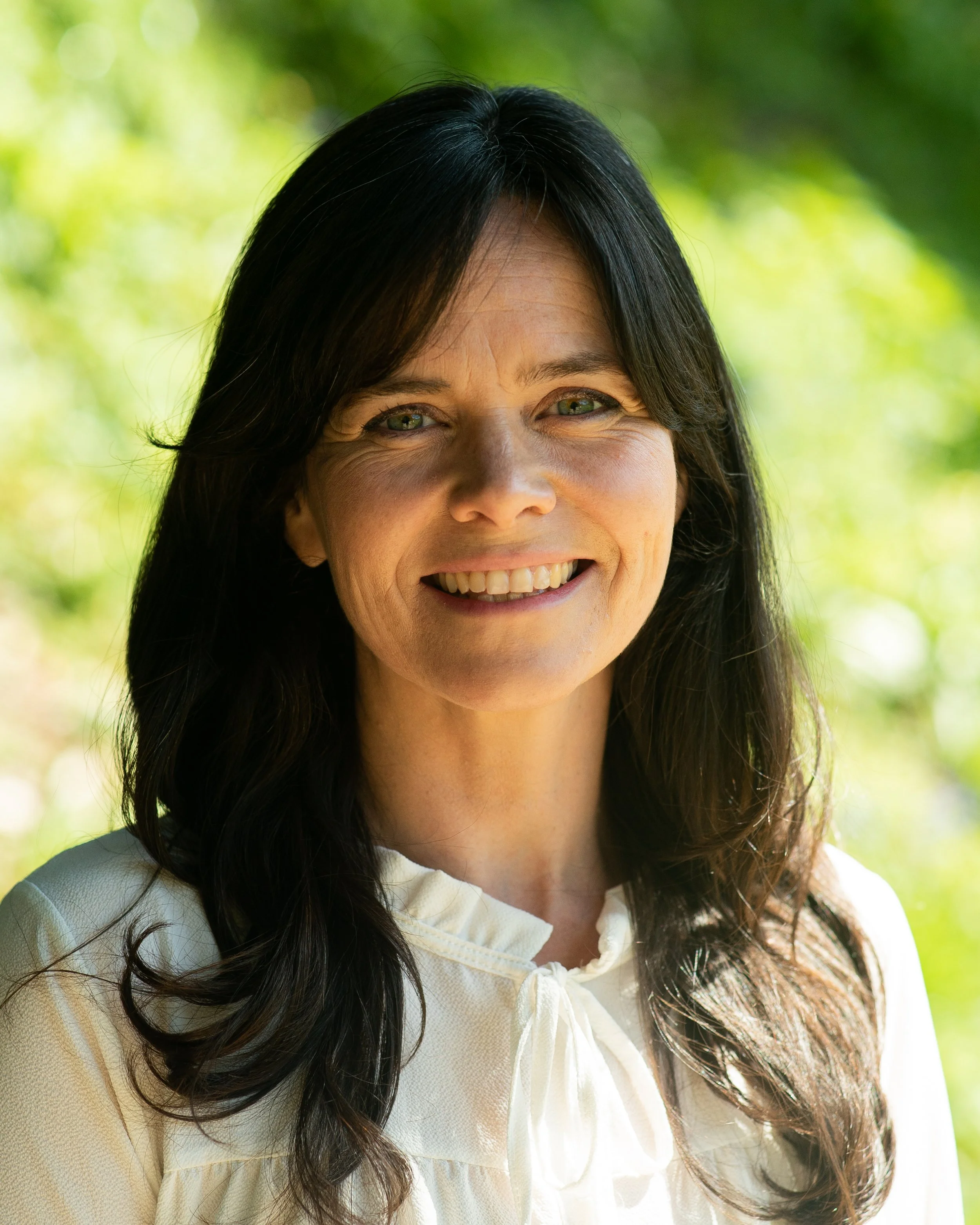
Emma Montlake, Environmental Law Foundation
Emma joined the Environmental Law Foundation as an intern; she is now head of Casework. She is passionate about nature and assisting ELF's grassroot communities to protect the nature they love . Emma is a director at Love Our Ouse (LOO) and sees synergies between the work she does at ELF and LOO especially with the rights of nature movement in the UK. She is also a founder member of Green United. Helping school children in her hometown of Lewes to take environmental action, supported by the local community.
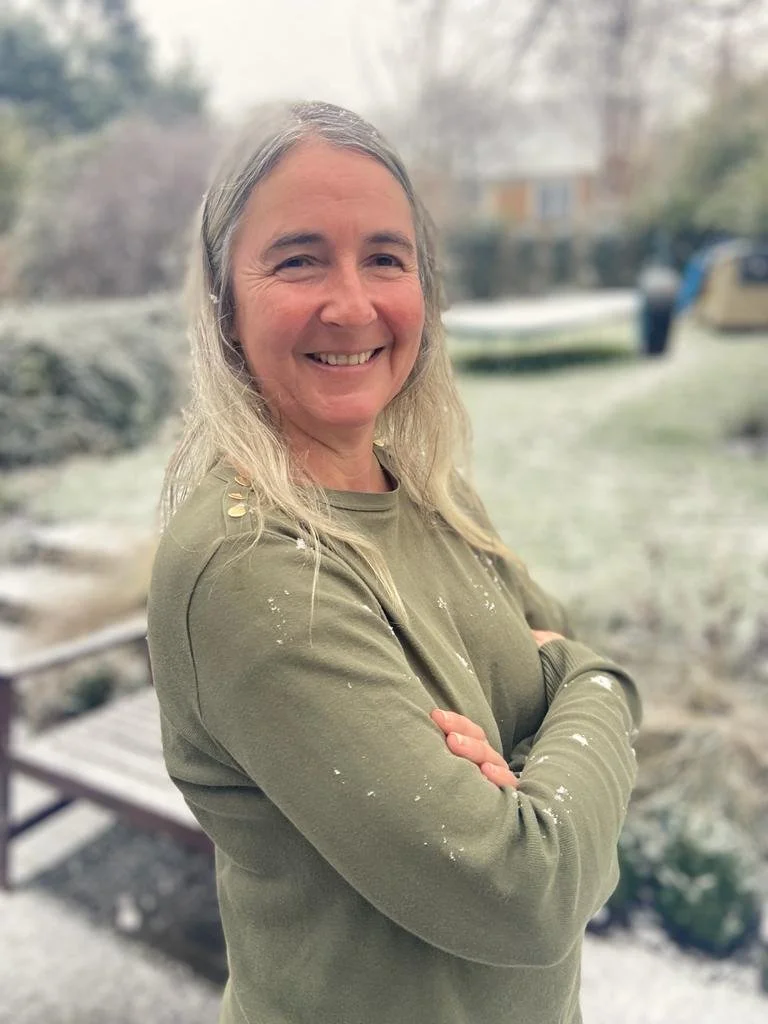
Brontie Ansell, Lawyers for Nature
Brontie is a leading Rights of Nature lawyer and was listed by Vogue as one of their top 100 sustainability innovators of 2024. As Managing Director of Lawyers for Nature and an architect of the pioneering Nature on the Board movement, she works on systemic legal change for the benefit of Nature and non-human communities. Brontie is also a trustee of Treesisters and sits on the advisory board of Common.

From The Farm with Hope
River Action panel looking at practical and positive examples of farming and river restoration working hand in hand
-
![]()
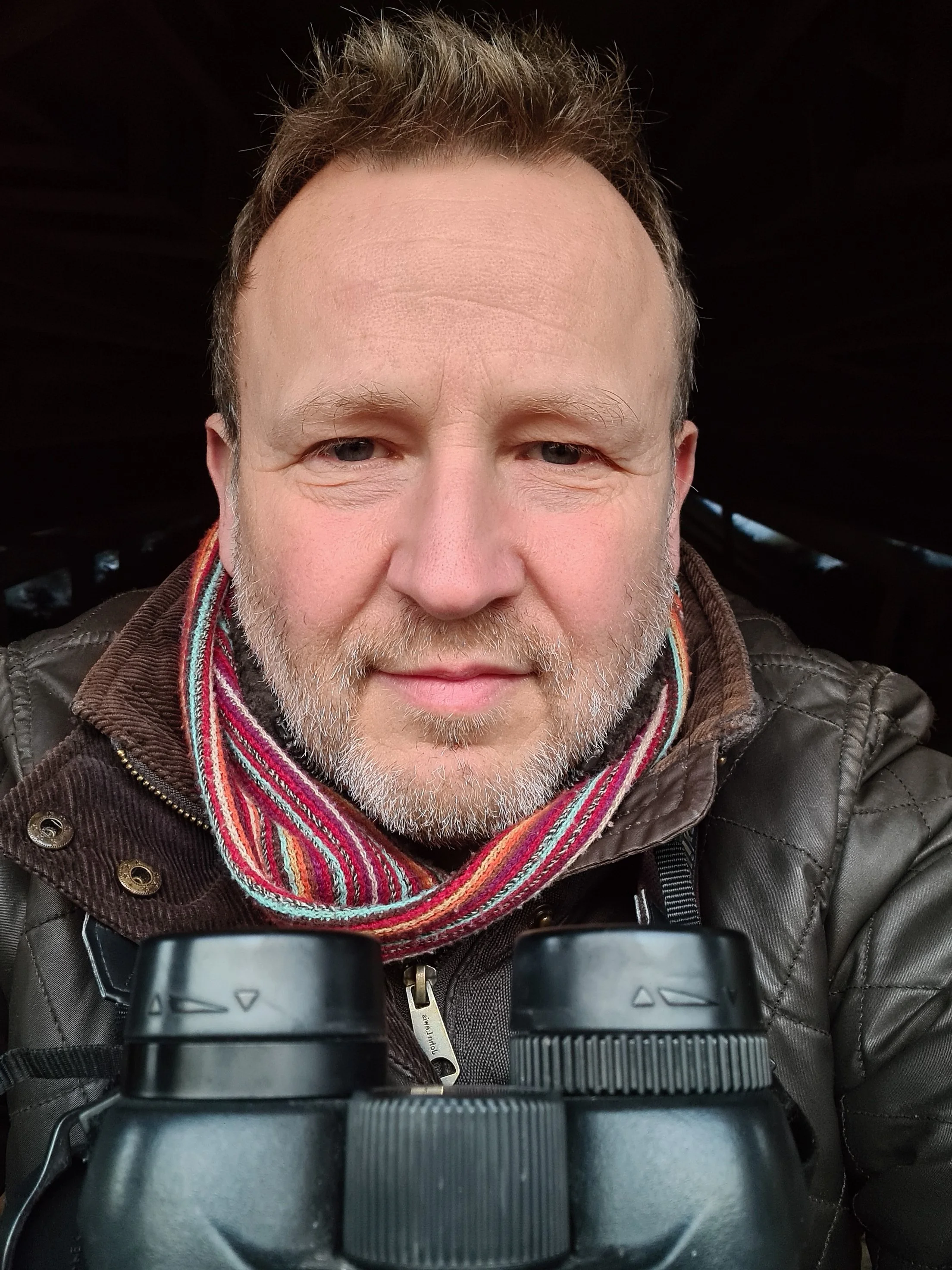
Panel Chair - James Wallace
CEO of River Action UK
-
![]()
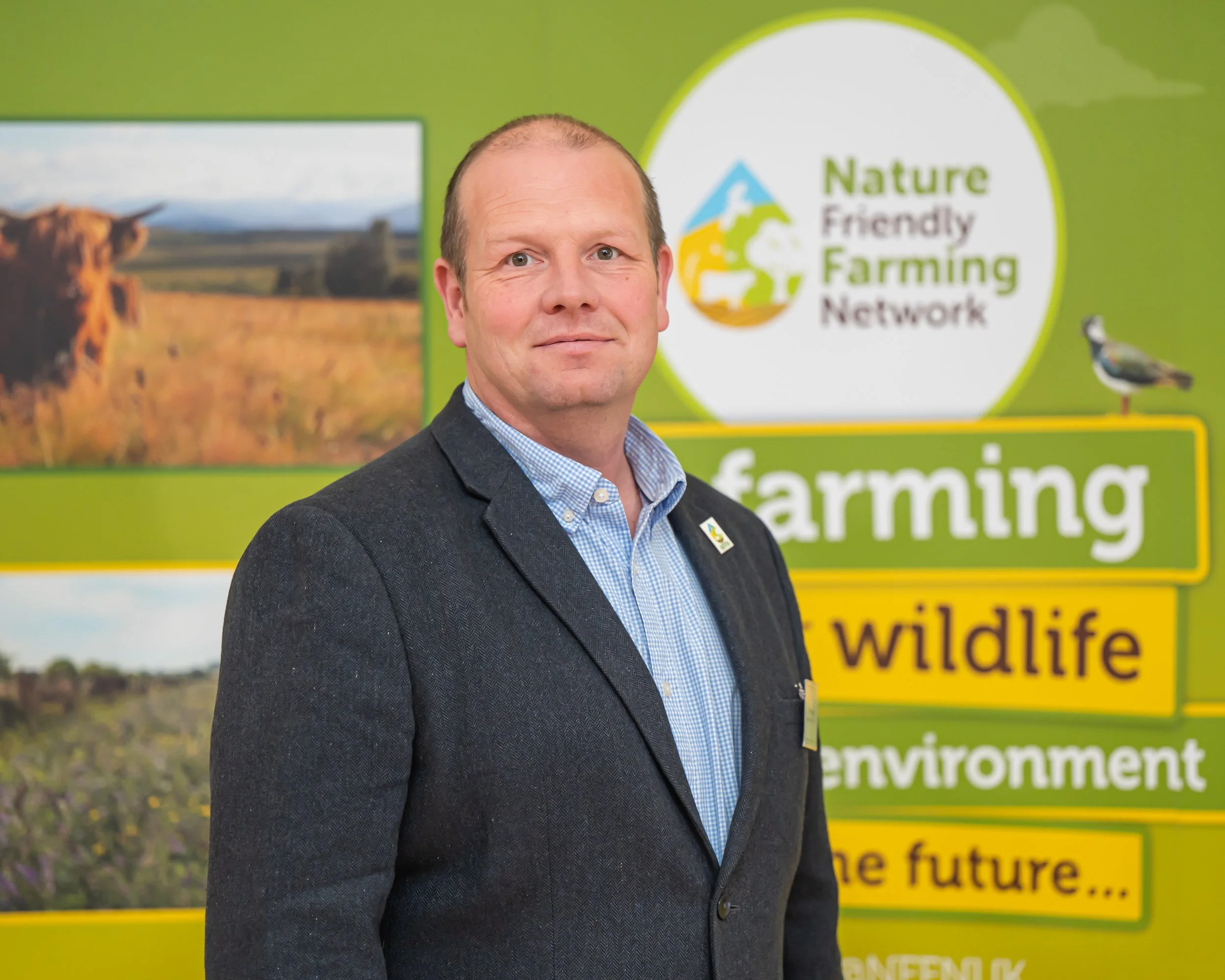
Martin Lines
Martin farms arable crops in South Cambridgeshire and leads the Nature Friendly Farming Network. On farm, he focuses on soil health, integrated pest management, mixed rotations and schemes that pay for public goods. In his CEO role, he works with government, retailers and the finance sector to back farmers with simple rules and fair funding. Martin convenes farmer networks, shares what works in practice, and acts as a constructive voice across the sector - aiming for resilient businesses, better food and more nature.
-
![]()
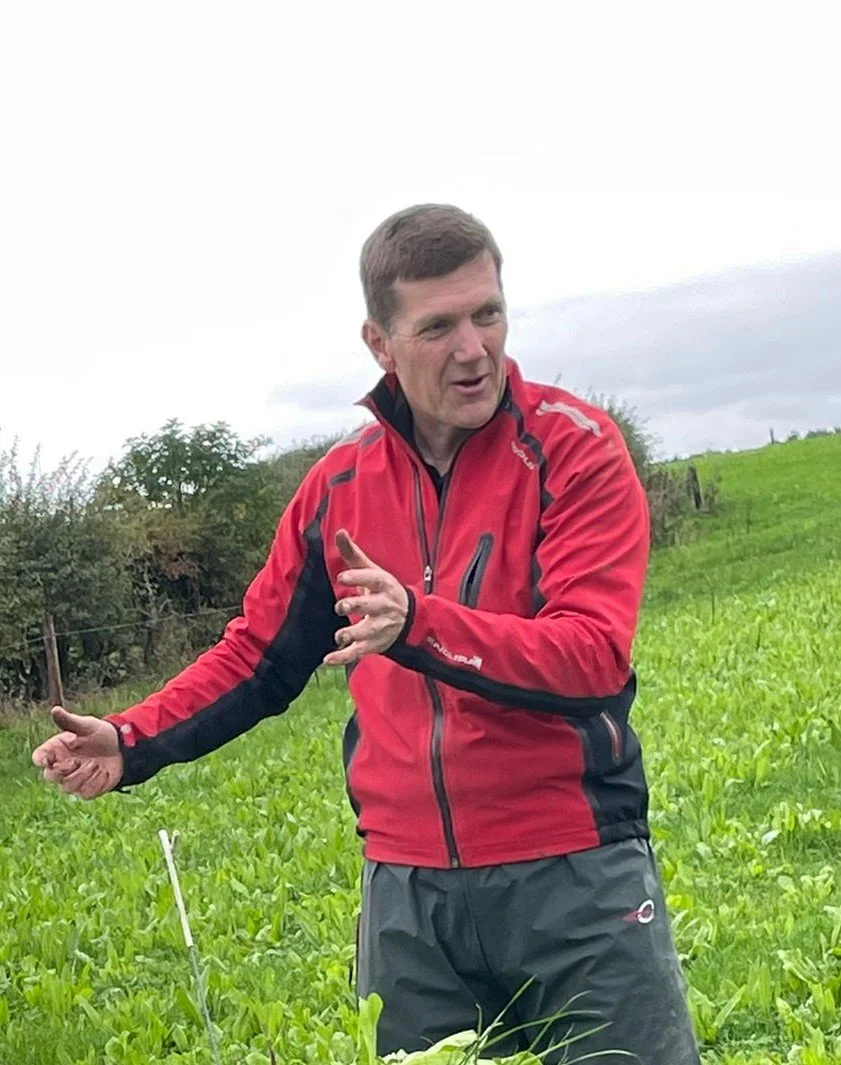
Lee Truelove, Director of Regenerative Farming & Agriculture, First Milk
Lee Truelove is Director of Regenerative Farming & Agriculture at First Milk, where he leads the co-operative's regenerative farming programme across more than 700 dairy farms. Working at the intersection of food production, climate action and nature recovery, Lee brings practical experience of delivering improvements in soil health, biodiversity and water quality through farmer-led, evidence-based approaches. He is a strong advocate for collaborative catchment-scale action and the role of regenerative farming in restoring healthy rivers while maintaining resilient food systems.
-
![]()
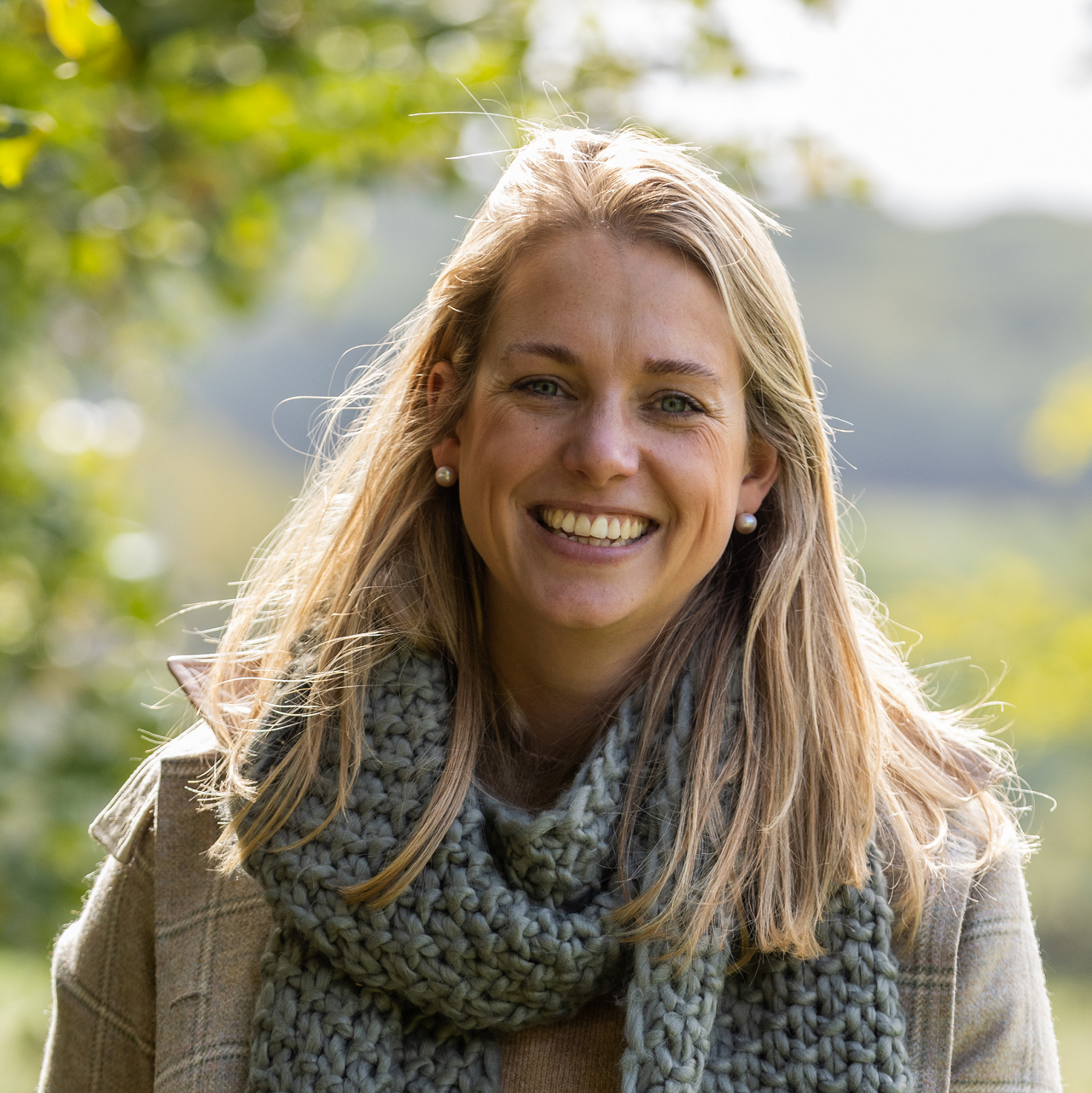
Lynette Steel, Tenant Farmers Association
Lynette Steel joined the TFA in 2018 as Farm Policy Adviser. She works with DEFRA and key Government bodies, including the Environment Agency, Natural England and the Animal and Plant Health Agency, to help shape legislation, schemes and regulatory frameworks. She ensures members’ interests are represented nationally and provides practical guidance to help them navigate complex policy and regulatory challenges. Alongside her policy work, Lynette farms with her husband and young family on a tenanted holding in Hampshire. Managing four short term Farm Business Tenancies gives her first hand insight into the challenges faced by many tenant farmers. Their diverse enterprise includes core arable crops, a Romney sheep flock, participation in environmental schemes and a successful pick your own pumpkin and sunflower venture established in 2019. This hands-on farming experience informs and strengthens her policy work, keeping it grounded in the realities of day-to-day farming.
Water Efficiency Campaign Update
-
![]()
Mark Wiltsher, Senior Director of Communications and Engagement, Ofwat
Mark joined Ofwat in September 2023 as the Senior Director, Communications, where he shapes strategic communications to support regulatory reform, stakeholder engagement, and public understanding of the sector’s priorities. Mark was previously Deputy Director of Communications at Ofgem, where he led the communications team, helped reposition the regulator as a key player in delivering net zero, and communicated the introduction of the retail price cap, the biggest change to the energy market in 20 years. As a member of the senior leadership team, he advised the board on policy and corporate strategy.
-
![]()
Simon Mutter, WEC Strategy Lead, 23red
Simon leads the communications and creative strategy for the new Let’s Save Water campaign across England and Wales. As Head of Strategy and Planning at 23red, he’s spent the last 17 years bringing together behavioural science, creative thinking and media strategy to tackle some of society’s biggest challenges. He is passionate about understanding people and the power of creativity to change behaviour for the better