

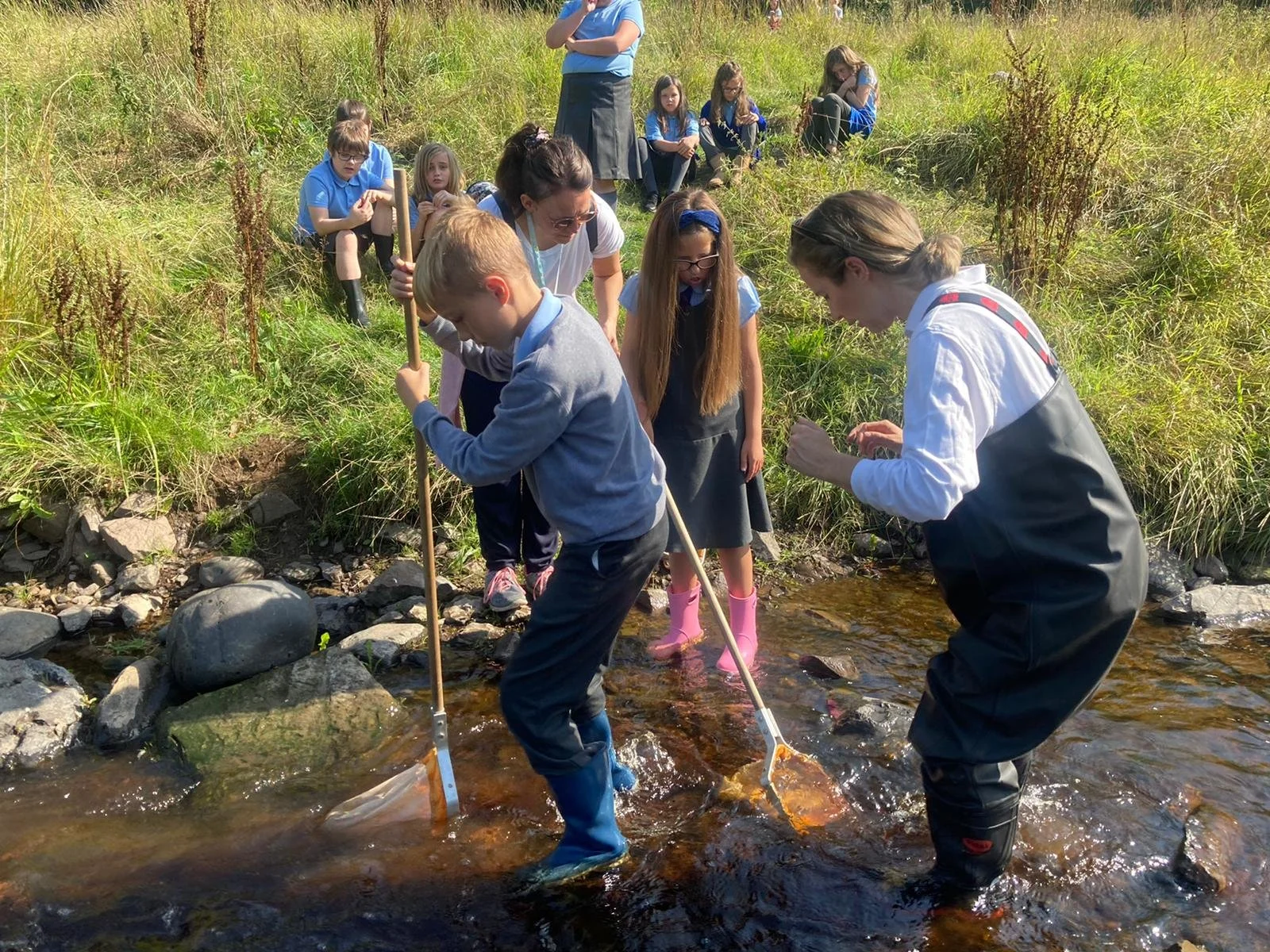
From Detection to Understanding: A Blended Approach to River Monitoring
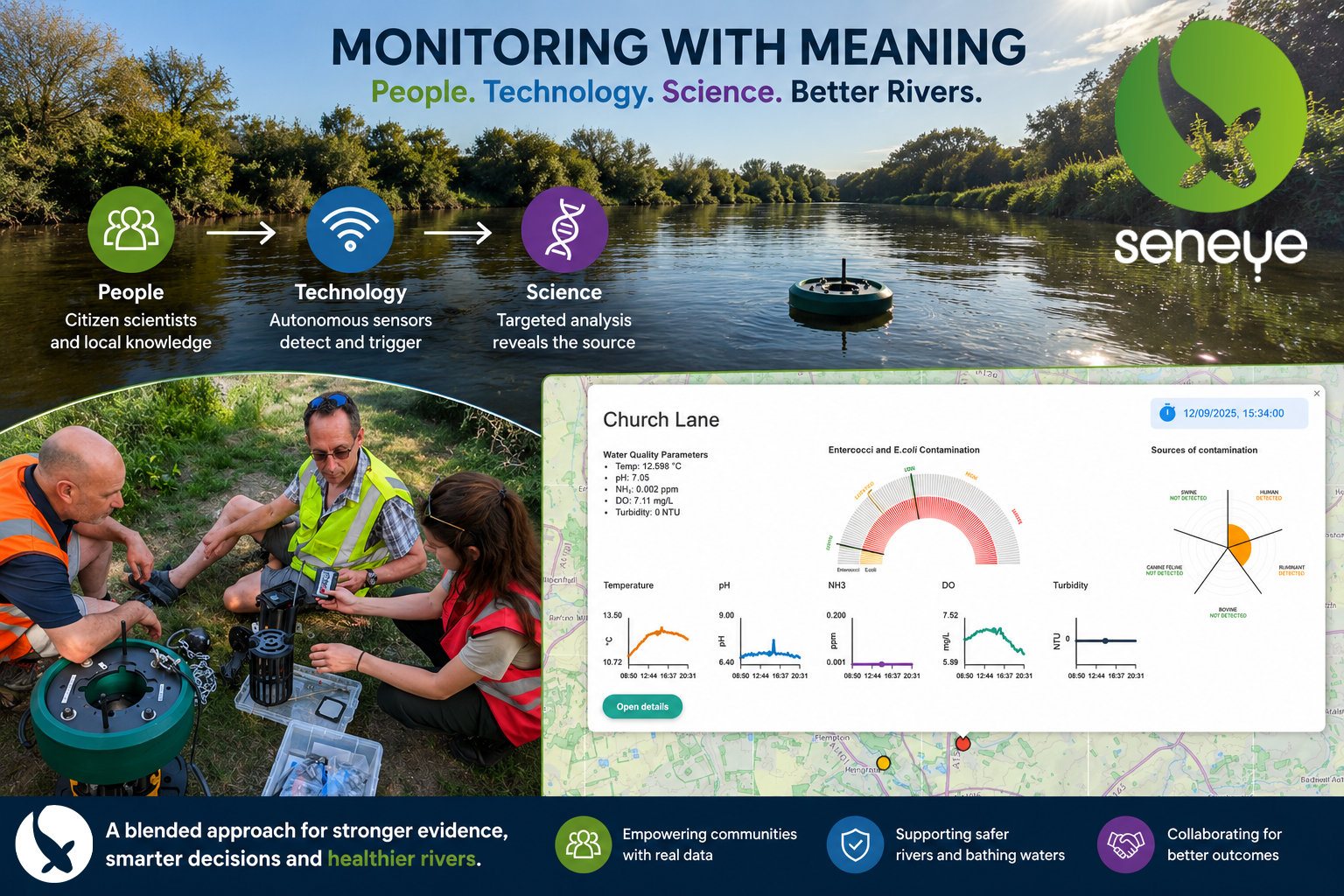
Protecting our rivers requires more than periodic sampling or continuous monitoring alone. This session explores how a blended monitoring approach is transforming river monitoring by bringing together the invaluable local knowledge and observations of citizen scientists with autonomous water quality sensors and intelligent micro-samplers. Continuous monitoring is critical for detecting events, but a spike in data alone rarely tells us what happened or who is responsible.
Continuous monitoring establishes an environmental baseline, helping us understand what "normal" looks like for a river, while complementary eDNA analysis builds a biological baseline of the species present. When an anomaly is identified, the sensor can automatically trigger a micro-sampler to capture water at the precise moment of an event. That sample can then be analysed using techniques such as Microbial Source Tracking (MST) to determine whether the source is human, agricultural or environmental, moving beyond simply detecting pollution to understanding its cause and supporting evidence-based action.
Drawing on collaborative projects from across the UK, this presentation will demonstrate how people, technology and science are creating a new approach to river monitoring. Through partnerships with organisations including The Rivers Trust, Surfers Against Sewage and local catchment groups, we'll share real-world examples of how blended monitoring has helped establish river baselines, uncover unexpected pollution sources, support safer bathing waters and prevent false pollution investigations. By combining citizen science, continuous monitoring and targeted scientific analysis, we'll show how collaboration is creating stronger evidence, empowering communities and delivering better outcomes for our rivers.
Southern Water and Pan Parish Rivers Pollution Forum continuous water quality monitoring on the River Test

This presentation introduces RiverHub, a collaborative initiative led by Wessex Water, Bristol Avon Rivers Trust (BART), the Rivers Trust and Riskaware. It combines citizen science and professional monitoring data into a single public platform to improve river health across the Wessex region. Through this platform our vison is to monitor together, understand together and act together.
This will be led by Dr John Bagnall, a Water Quality Investigations Technical Manager at Wessex Water, where he leads environmental investigations and river health programmes across the Wessex region. With over 19 years' experience in water quality science, consultancy, and research, his work focuses on understanding and addressing the impacts of nutrients, bacteria, and emerging contaminants on the aquatic environment. He leads Wessex Water’s contribution to RiverHub, a collaborative initiative bringing together citizen science and professional monitoring data to support healthier rivers through evidence-based action and partnership working.
RiverHub - One platform. Many voices. Healthier rivers
Stream: helping to build trust in citizen science data
Stream, the data sharing infrastructure for the UK water sector, will be hosting a lightning talk at this year's River Summit. Stream works with individuals, groups and organisations who own and use water-related data to unlock value for the benefit of society and the environment.
At the summit, Stream will introduce their work and share early thinking on a trust framework for citizen science data. Citizen science plays a key role in monitoring the health of our rivers, bringing knowledge, passion and local insight. To realise its full potential, that data needs to be accessible, understandable and trusted by the people who use it and the decision makers who can act on it. Stream wants to work with citizen scientists and other interested parties to co-create the guardrails and standards needed to build and maintain that trust, so citizen science data can reach its full potential to be shared, used and turned into positive insight and action at scale. Come and hear more, and help shape the future of trusted, open water data.
From Outfall to Insight: High-Resolution Mapping of Thames Water Quality
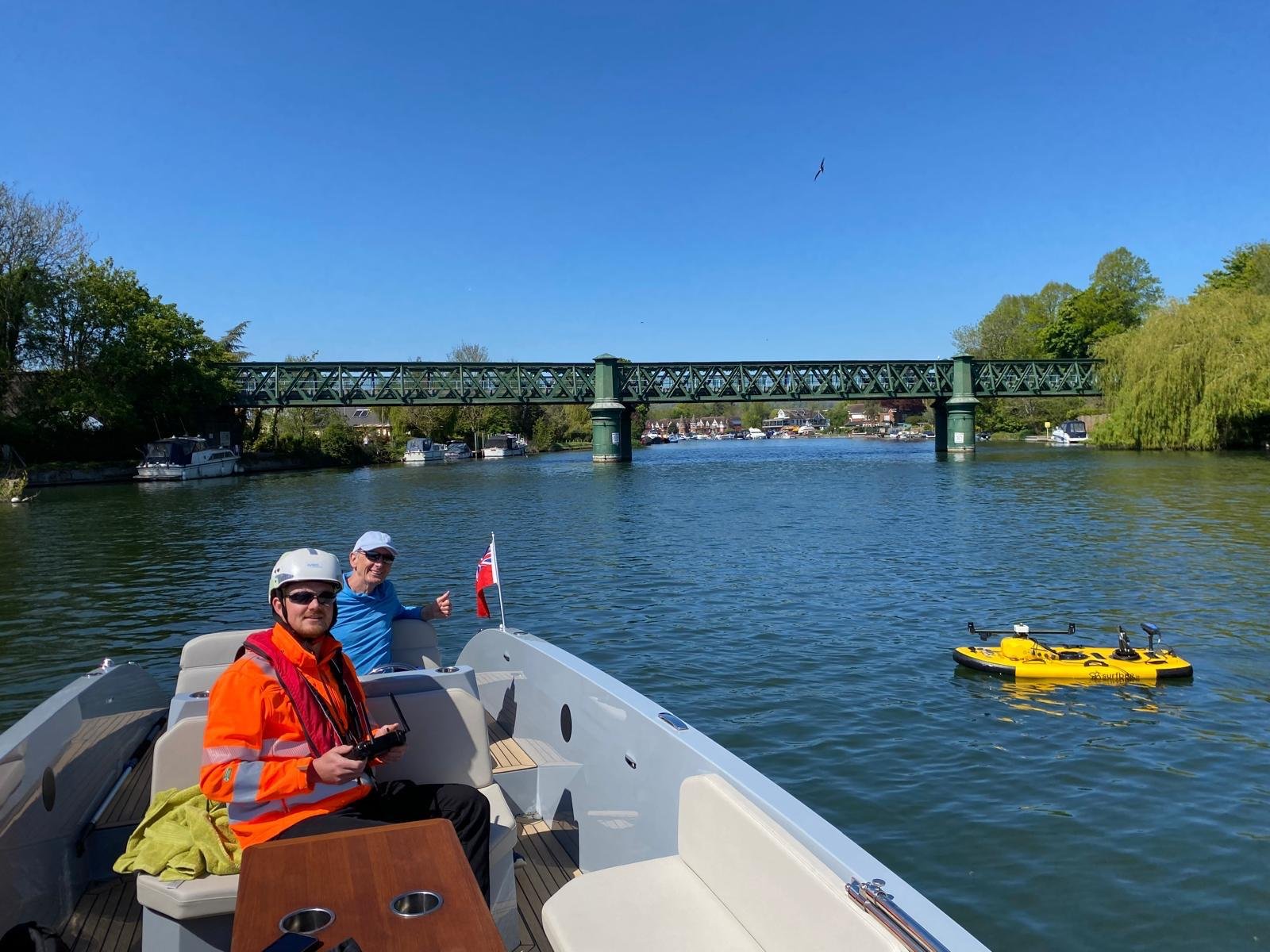

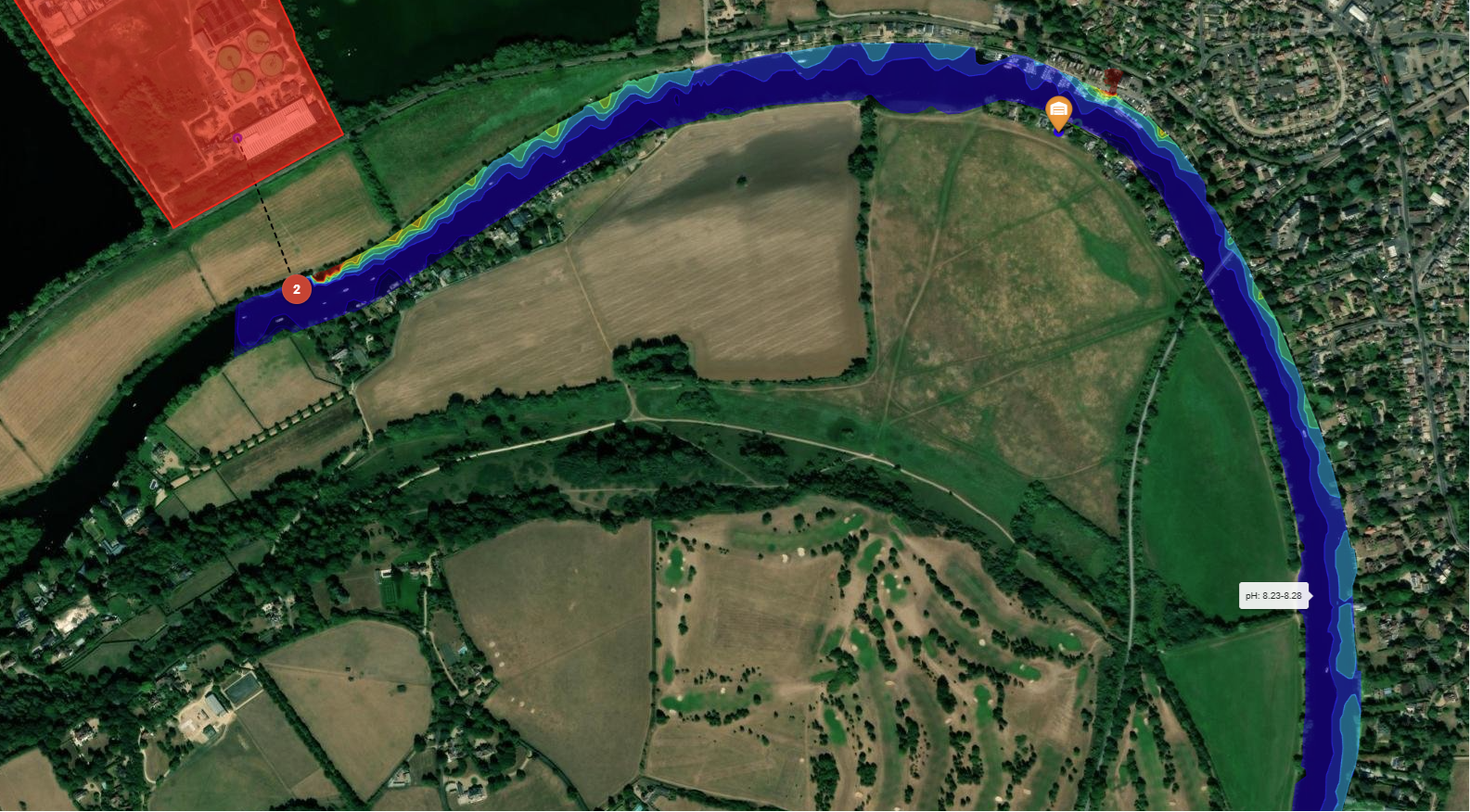
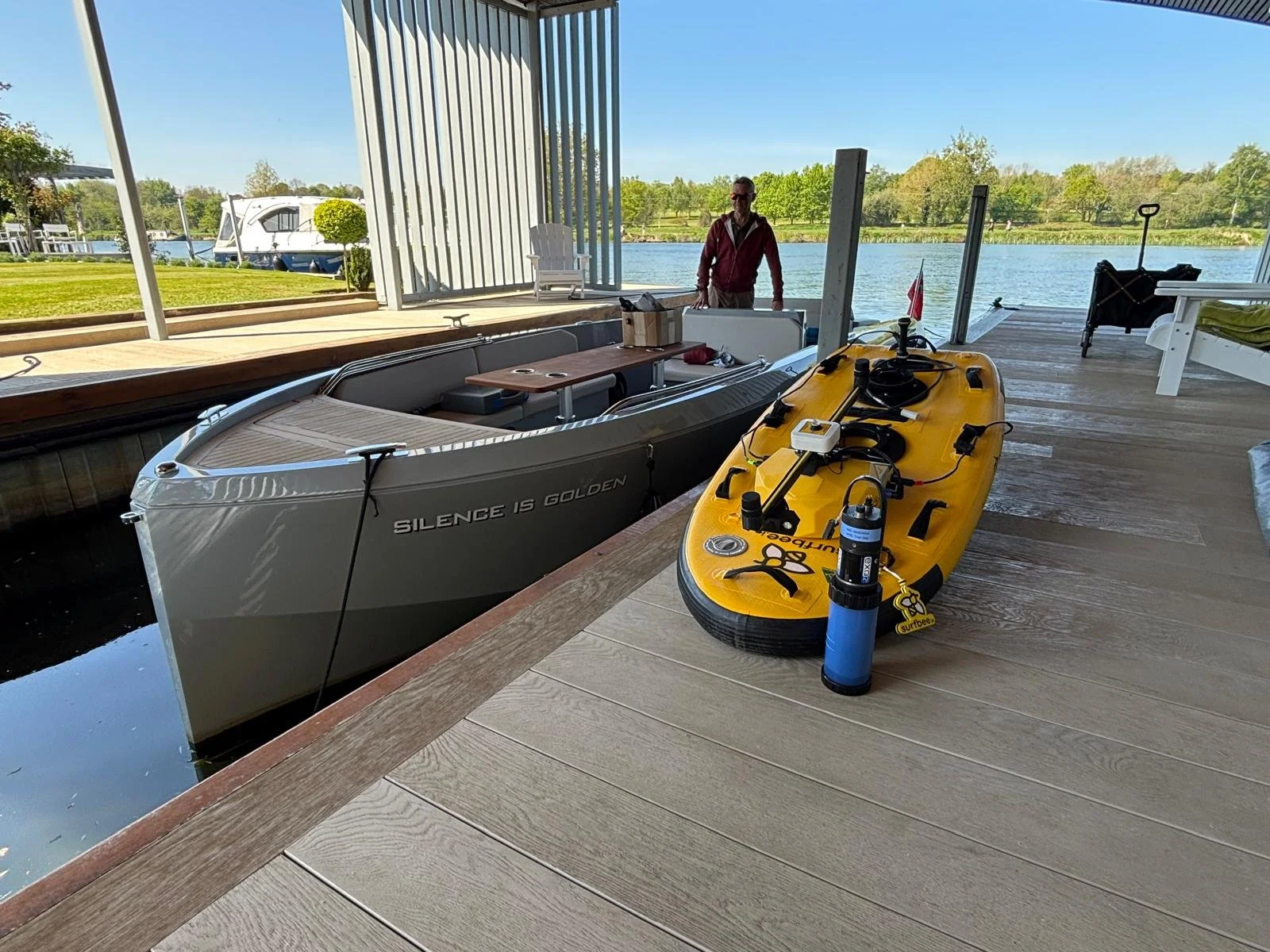
James Chapman (Xylem) and local citizen scientist Wilson Philips present high-resolution water quality data collected over a 3 km stretch of the River Thames downstream of Little Marlow STW using a Surfbee uncrewed surface vehicle.
The session explores how treated effluent mixes within the river and how water quality changes downstream, influenced by tributaries, lakes, and surrounding land use. Showcasing the power of remote-controlled sampling, this talk highlights how combining technology with citizen science can deliver deeper, more dynamic insights into river health.
Keeping a real-time eye on river quality with Seneye sensors
HoTWater's collaboration with Seneye places Gen2 multi-parameter river sensors on the Thames at Henley, monitoring dissolved oxygen, free ammonia, pH, temperature, turbidity and conductivity at fifteen-minute resolution. The first unit is in the water opposite Friday Street, with further sites planned along the Henley reach. The aim is to gather independent, real-time evidence covering both chronic water quality and acute pollution events. The data will be used to examine trends and potential pollution events
Collaboration and Development of CWQM Super Users
This presentation will explore Thames Water’s approach to delivering the Section 82 Continuous Water Quality Monitoring (CWQM) programme and the role of collaboration in maximising its value. It will showcase how Thames Water is working with Catchment Partnerships and developing a network of CWQM Super Users to build understanding, confidence, and capability in the use of water quality data. The session will demonstrate how CWQM data can be used to generate local insights, support shared learning, and strengthen our collective understanding of river health across the wider catchment.
Demystifying Section 82 of the Environment Act
Representatives from three major water quality monitoring technology companies are combining forces to unravel the changes brought about by Section 82 of the Environment Act 2021, and what they mean for the general public. We will be hosting live demos of “river” monitoring and providing insight to the types of data that will be provided and how to interpret it. Come and join us to see continuous river monitoring up close throughout the day!
Leading the Discussion on Section 82
-
![]()
Hannah Gunter, Proteus Instruments
Hannah is a Project Research Manager at Proteus Instruments and Co-Chair of the Testing the Waters Consortium, a national initiative bringing together people from research, industry, policy, and citizen science to improve the health of the UK’s rivers. Following an undergraduate degree in Geography, Hannah went on to complete a master’s degree in River Environments and their Management, and has since built a career rooted in fieldwork, data, and collaboration. Her research focuses on using fluorescence to detect bacteria and organic matter in water, and she is currently writing up a PhD on the topic. Along the way, she has worked closely with passionate citizen scientists, valuing the insight that comes from long-term engagement with rivers and the people who know them best. Rivers and our wider blue systems sit at the heart of everything, yet the disconnect between people and the environment they depend on can be vast. Hannah believes these divides can be reduced by bringing people together to talk, listen, and share perspectives. The environment is not something that can be neatly boxed off or managed in isolation; it is complex, interconnected, and intrinsic to everyday life. At heart, Hannah considers herself a researcher, motivated by turning complex environmental data into knowledge that can support better decisions and more meaningful action. Through both her research and leadership roles, she is committed to bridging gaps between science, technology, and lived experience, helping to build shared understanding around the challenges facing our rivers and the collective responsibility to protect them.
-
![]()
Rob Tisshaw, In-Situ
My connection to water started over 20 years ago when I first began surfing. Spending so much time in the sea gave me a deep appreciation for our waterways and a strong belief that everyone should have access to clean, healthy water environments.
That passion led me into the water industry, where I have spent the last decade working to improve water quality and protect the environment. Beginning with Wessex Water's Streamclean team, I tracked and traced pollution to its source, helping remove misconnected discharges from the surface water network. I later moved into Environmental Investigations team, supporting water quality monitoring projects and developing a deeper understanding of the challenges facing our rivers, lakes, and coastal waters.
Throughout my career, I have been driven by a desire to solve problems and find practical ways to improve environmental outcomes. Combining my passion for product design, innovation, and water quality has naturally led me to the world of environmental monitoring technology. Today, I am excited to help deliver smart, data-driven solutions that empower organisations to better understand, protect, and improve the health of our water environments.
-
![]()
Dr Chris Dawson, Xylem
Chris is a Physicist by training and works in Xylem's Innovation team, based in Cambridge. He works on developing new sensor technologies, data science, geospatial tools and satellite data analysis. Chris works closely with the Xylem Environmental Solutions team, developing the next generation of water quality measurement technologies, as well as the models that will make the best use of the data recorded to improve river health. Chris is passionate about citizen science and is working on bringing citizen science data alongside that from the government and water companies to make sure we can all get the most complete view of our rivers possible!
Tracing the source of E. coli with Trace Biomonitoring
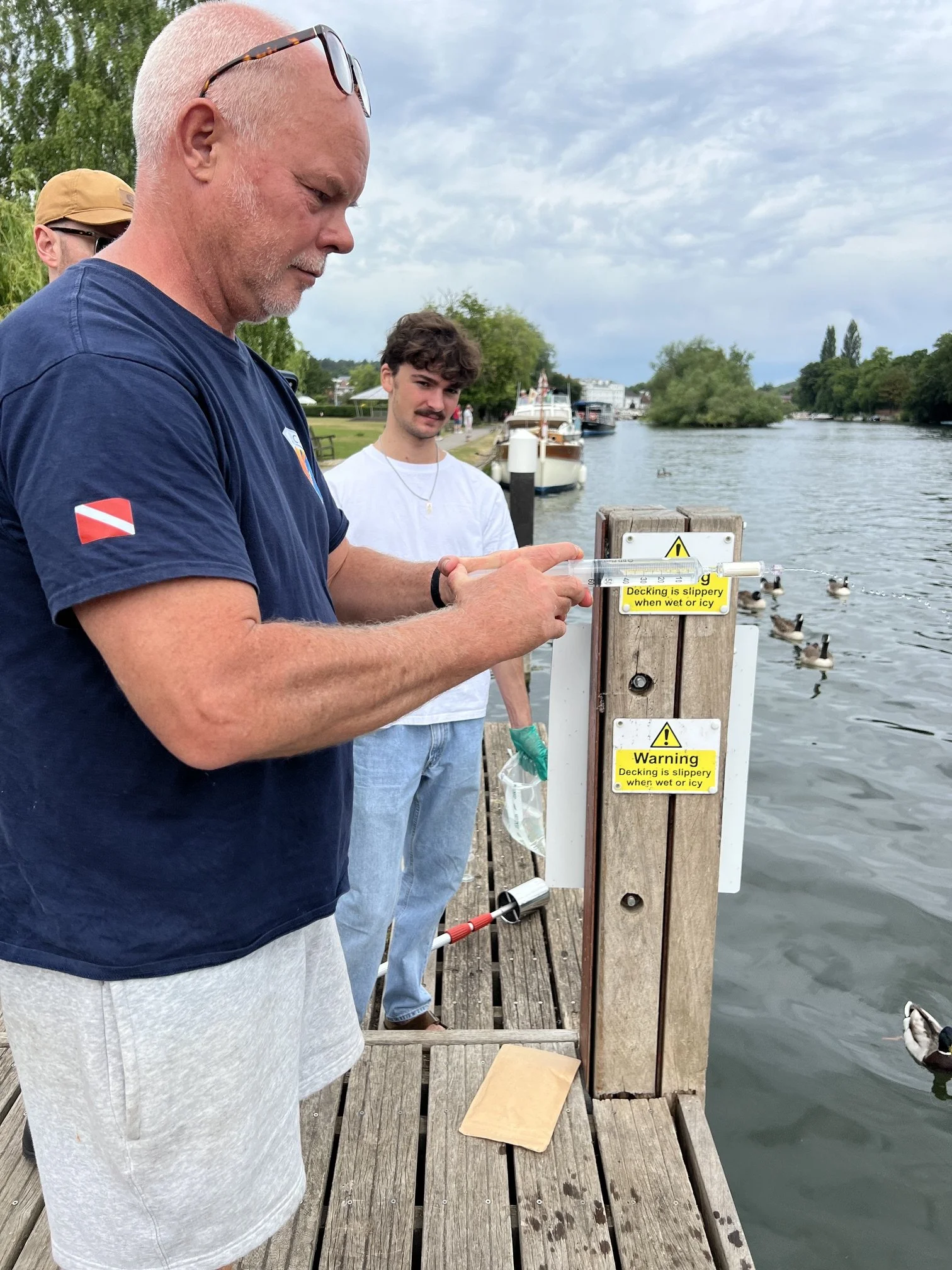
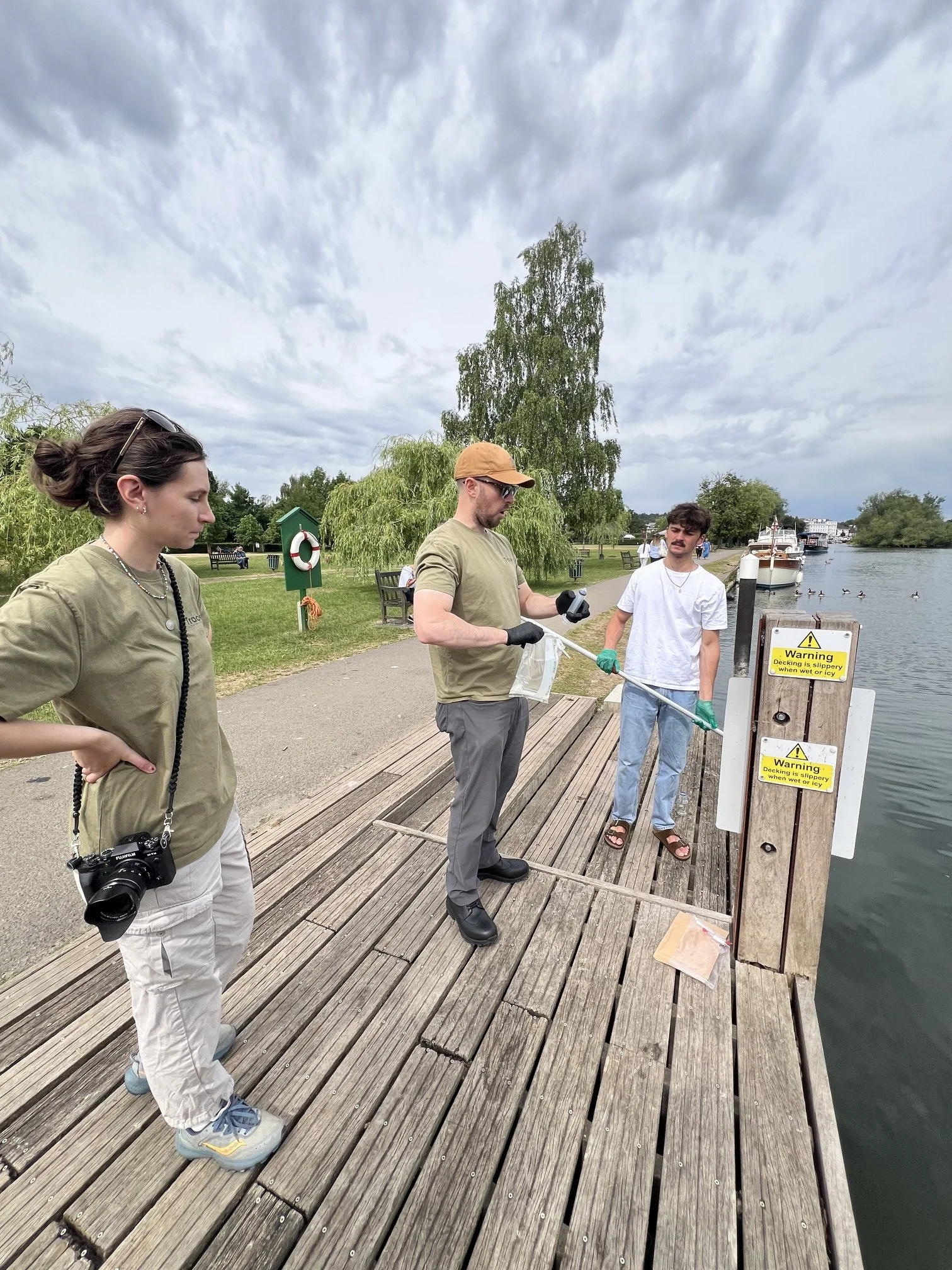
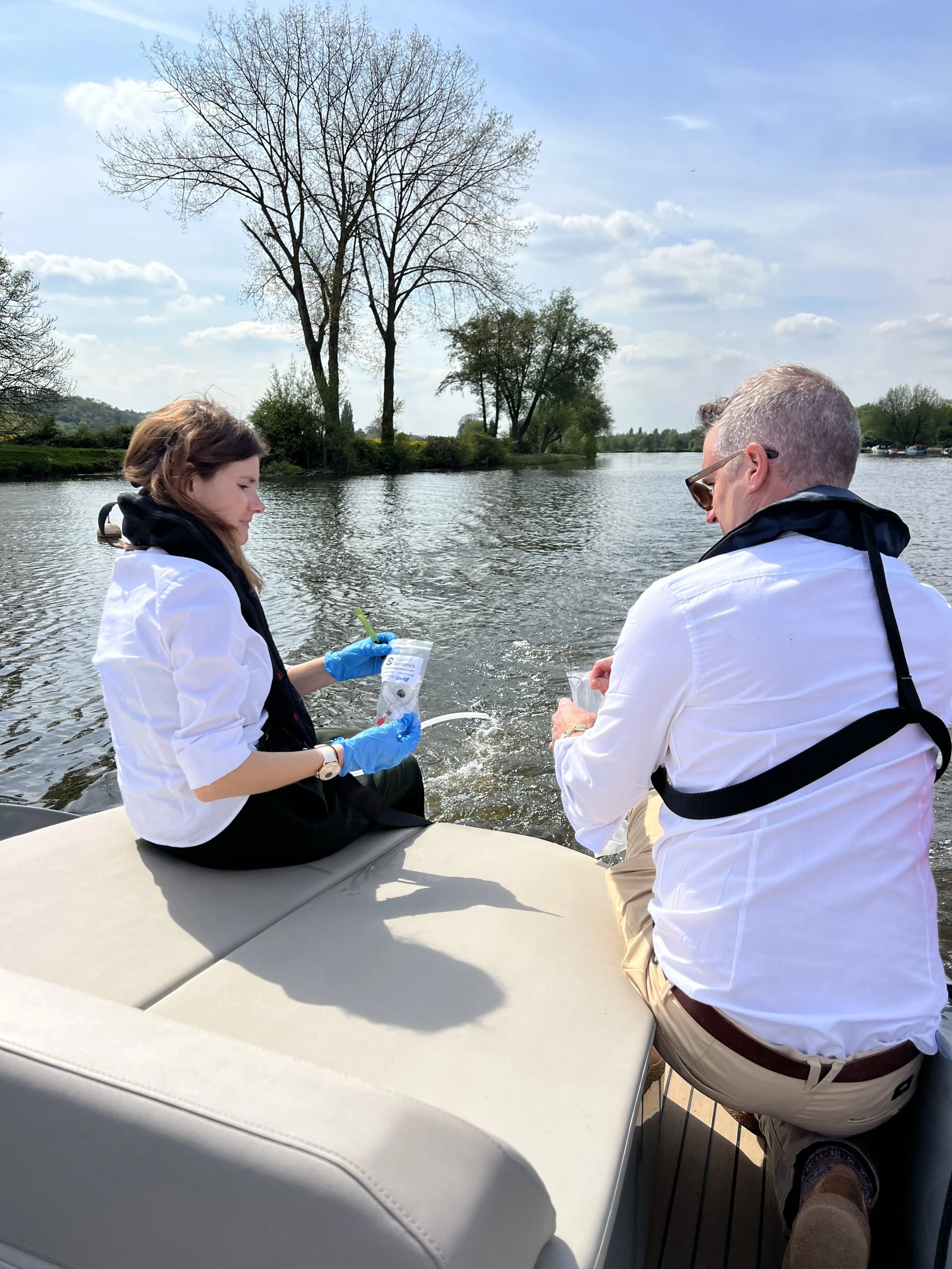
HoTWater is working with Trace Biomonitoring on qPCR eDNA bacterial source tracking on the Thames at Henley, using host-specific genetic markers to distinguish human from animal faecal inputs. Sampling targets will cover the Henley section of the river. Four to five sampling events will run through the summer, feeding into the River Summit in September. The aim is to attribute faecal contamination to specific sources and learn more about why Henley has high E.Coli readings.
Determining levels of Anti-biotic Resistant Ecoli in samples from outflows and rivers
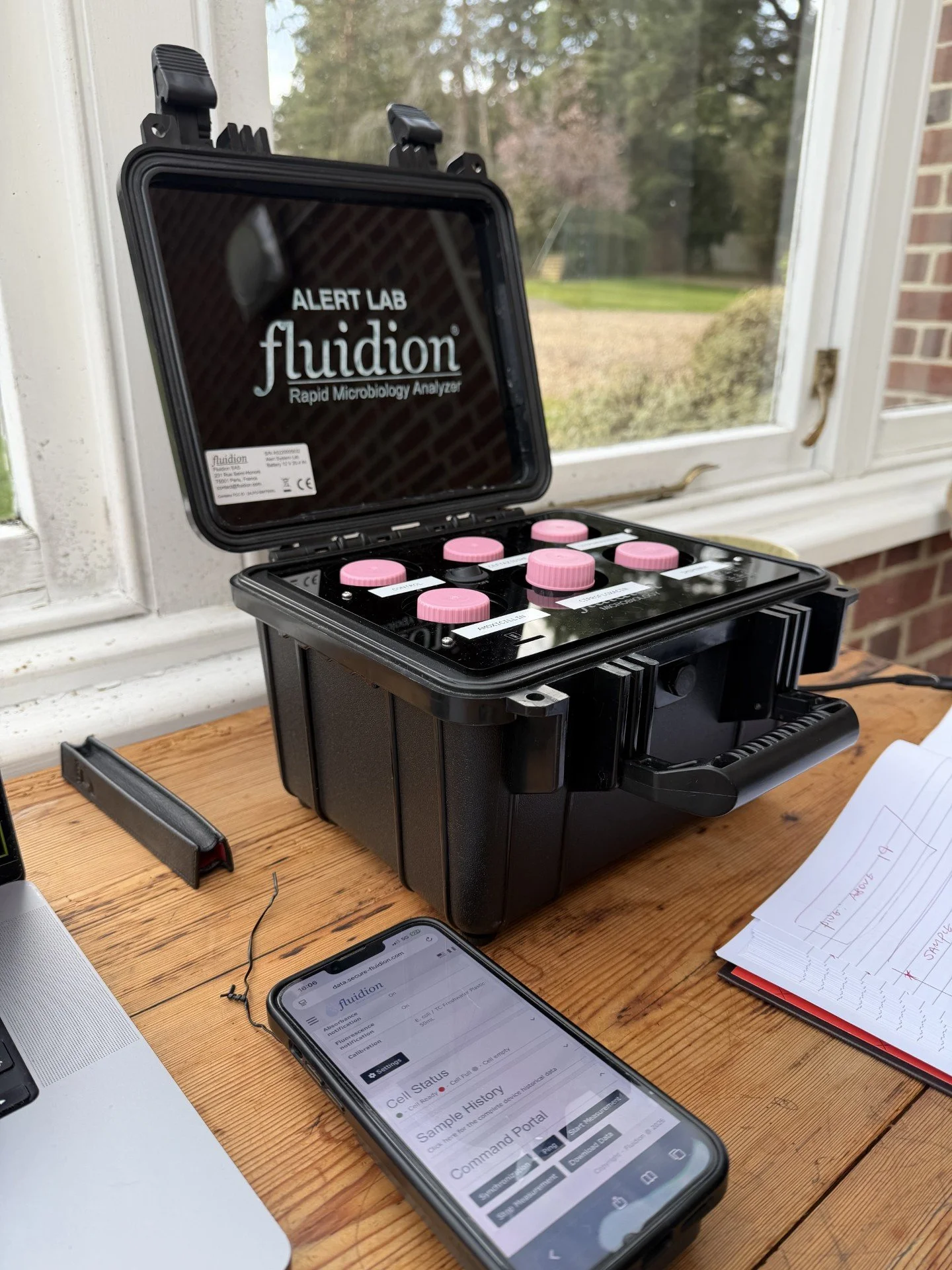
This Spring, HoT Water partnered with Fluidion to beta-test Fluidion's new ALERT Lab equipment to find antibiotic-resistant E. coli in the Wargrave sewage treatment works (STW) catchment and the River Thames around Henley's proposed Mill Meadows bathing site. Across nine sample batches (April–May 2026, all dry or near-dry spring conditions), the team measured E. coli survival against five clinically important antibiotics at STW effluent and river points.
Key findings include Wargrave STW being the dominant upstream source of antibiotic-resistant E. coli entering this reach via the Loddon (confirmed by a sharp jump from 20 CFU/100ml at Shiplake Lock to 1,028 just past the confluence); Co-trimoxazole resistance is the most consistent finding at every site, peaking at Henley STW (1,010 CFU/100ml in the resistant fraction alone. Additional findings include Imipenem (last-resort carbapenem) resistance at four sites, dramatically elevated resistance at Henley STW, and independent corroboration from a separate ESBL study at a separate Oxford STW.
It must be stressed that these are preliminary findings from a small dataset using unvalidated beta equipment. While internally consistent and backed by published UKCEH research, these findings are intended to justify further investigation (especially summer sampling).