

Creative Expression at The River Summit & Festival
Watershed: A River’s Call to Action
Watershed: A River’s Call to Action, is a three-part installation of artworks, created by XAP to raise awareness of the acute vulnerability of UK’s rivers, and the practical ways we can contribute in their recovery. XAP launched Watershed in the magnificent north transept of St Albans Cathedral in 2025, against a backdrop of crisis in parts of the water industry, and increasing public awareness of environmental damage to rivers. News of on-going continuous sewage discharge into the River Ver served to sharply focus the project on the Ver as a very particular irreplaceable chalk stream habitat, subject to severe ecological damage. The Ver’s plight exemplifies the numerous problems facing rivers more widely across the UK. Keeping up the pressure, XAP have been touring with Watershed to other river locations during 2026, including Batford Springs on the Upper Lea, and the Houses of Parliament, where we engaged with Parliamentarians while crucial water-related issues are being debated: the Clean Water Bill and the bill to designate the UK’s chalk streams a UNESCO World Heritage Site.
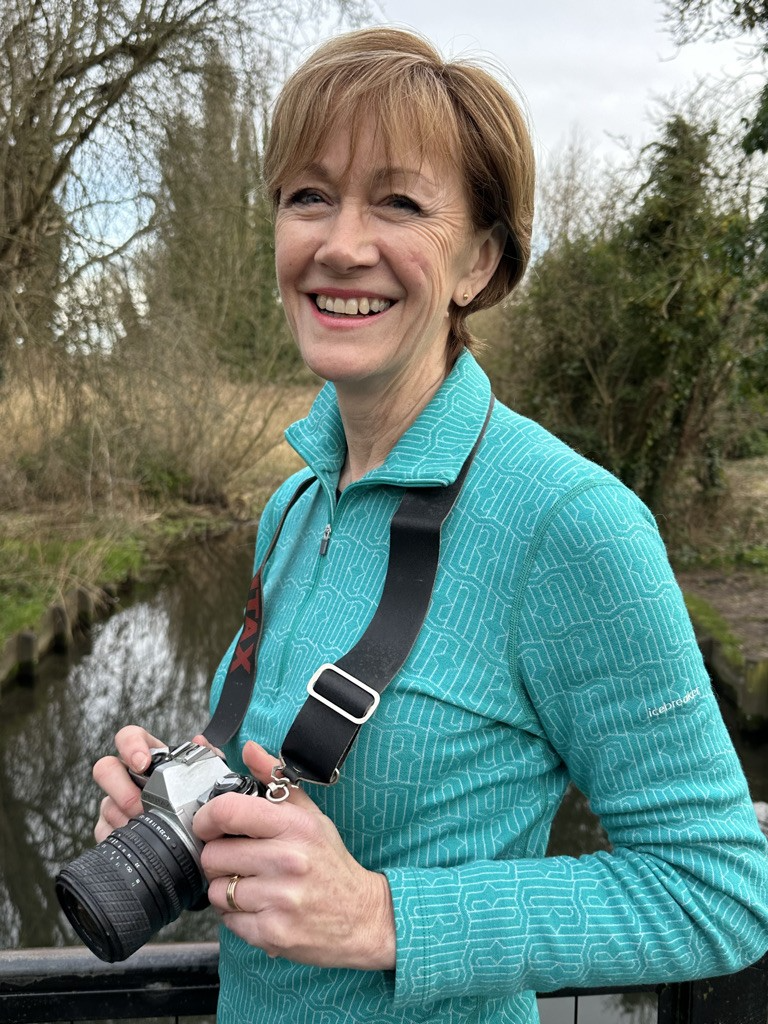
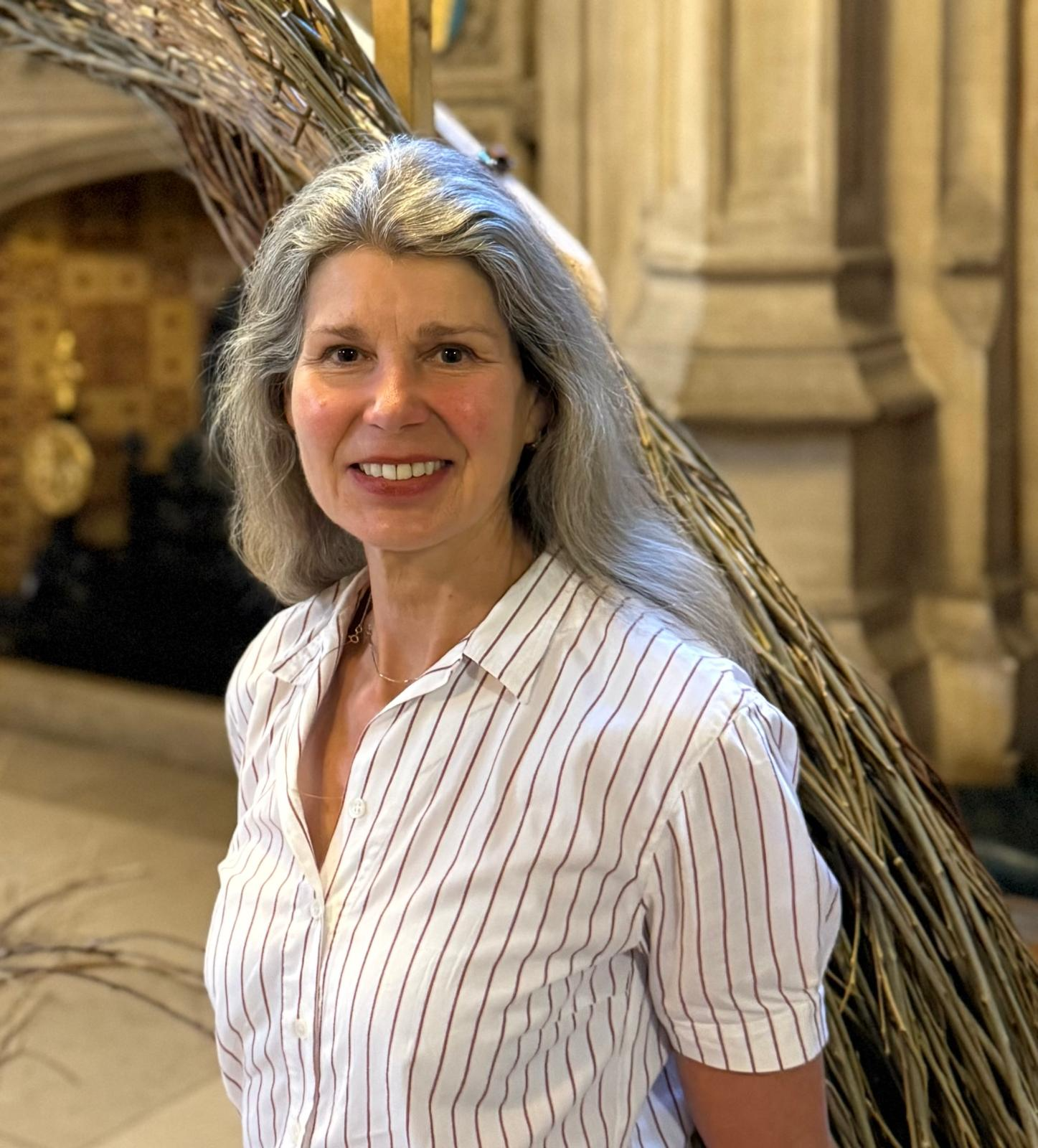
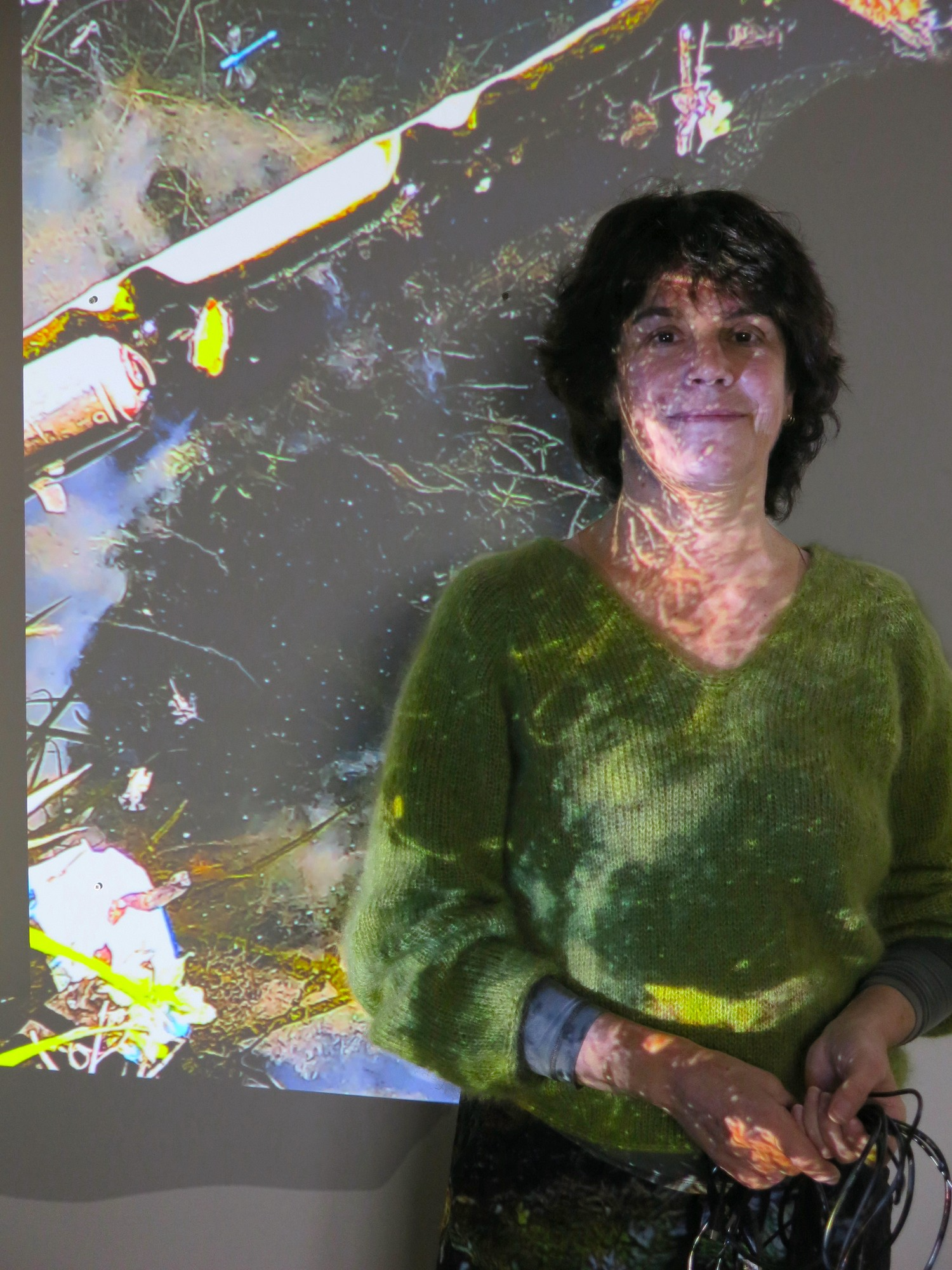
The three Watershed artists - Liz Sergeant, Angela Mellen and Laura Dekker - work together in the artist collective XAP (Cross Arts Projects - xartsprojects.org). XAP met as fine art students at Central Saint Martins, and have been collaborating since 2007. Their cross-disciplinary practice brings together performance, traditional art media and new technologies, to tackle contemporary social, political and cultural issues. Rivers have been the focus of their collective work over the last decade. Their projects go beyond the gallery, out into woodland, parkland, urban public spaces, including performances in the rising water of the Thames, for Whitstable Biennial, Art Licks and the Thames Festival 2016-23.
Irene Gardiner
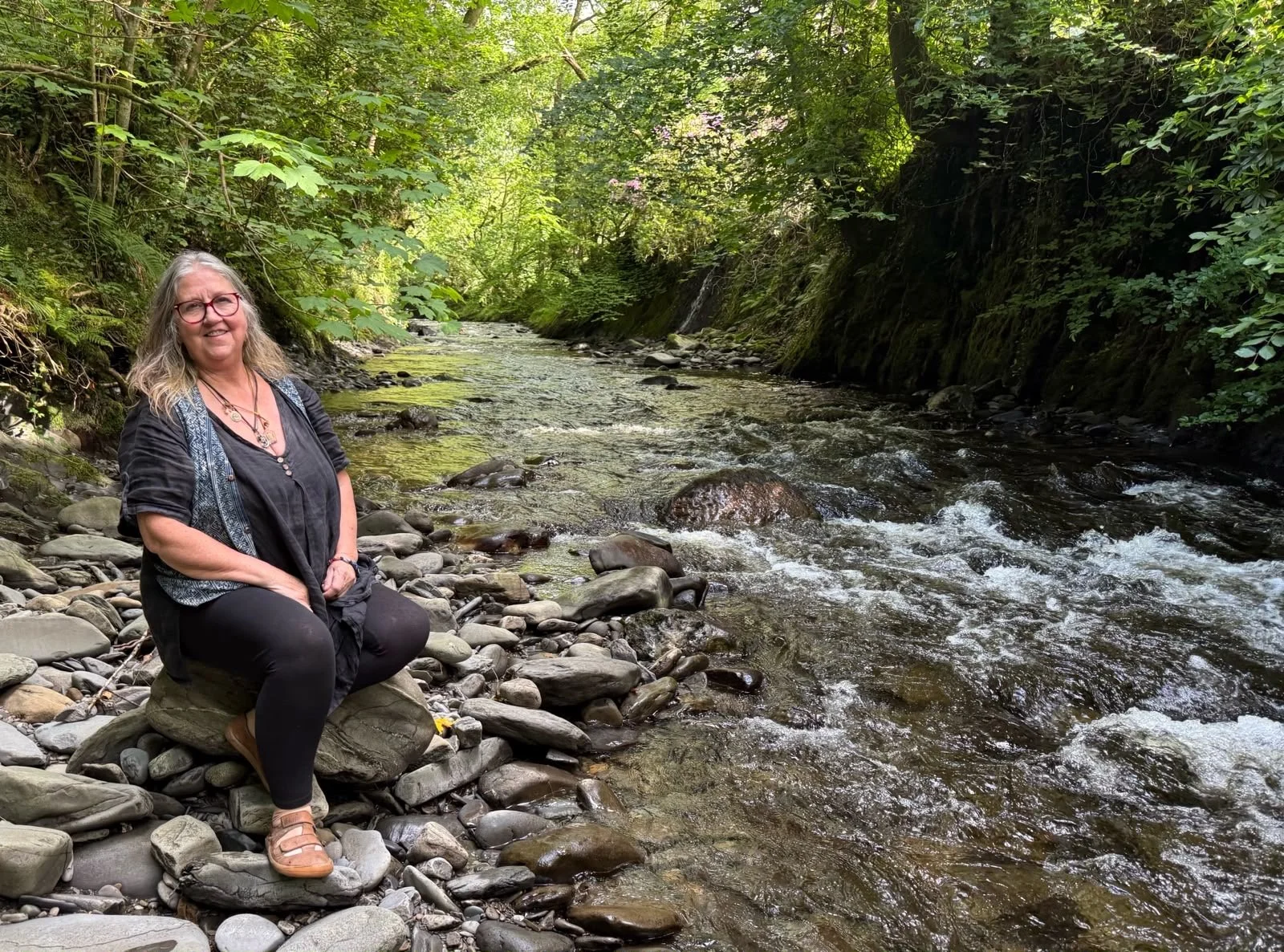
Irene Gardiner is an abstract interdisciplinary artist based in North Wales. Holding a Master’s degree in Fine Art from Aberystwyth University, her work is deeply influenced by the natural world, which frequently finds its way onto the canvas. Irene’s innovative practice has been recognised by the Welsh Beekeepers’ Association (WBKA), which published an article on her use of beeswax from her own hives as a natural medium in encaustic painting. Through this process, she preserves found insects and flowers within layers of wax, incorporating them into works that explore the delicate relationship between nature, memory, and preservation.
A short documentary about Irene’s life was awarded First Prize in the Factual Category at the Royal Television Society Wales Student Television Awards 2020. In 2022, her painting New Earth was selected as the album cover for Mind Behind the Music’s charity album, a project that brought together some of the world’s most celebrated musicians in support of environmental action.
Through an off-grid lifestyle, Irene has maintained a connection to the natural world that is increasingly rare in modern society. She drinks rainwater and river water collected on her land, grows her own food, and keeps bees, integrating these practices into both her daily life and artistic process. Her work serves as a reflection on humanity’s growing disconnection from nature and an invitation to rediscover that relationship.
Living Rivers - An Artistic intervention on Rivers and its People by Rolf Killius
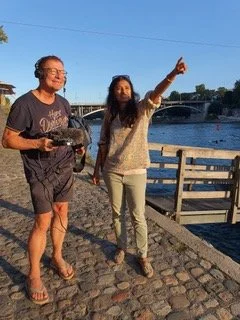
For the last two years ROLF KILLIUS has been working on projects with museums and communities along the river Rhine in Germany, the Thames in England and most recently the Bharathapuzha (Nila) in Kerala, India.
All are audio-visual art and heritage projects based on walks along the rivers, on taking sound recordings and photographs and on interacting with people related to these waterways. All projects have been co-produced with local museums and community organisations situated along the rivers and eventually culminate in audio-visual installations (sound and vision) and performances with local musicians, poets and artisans.
This project embraces topics such as environmental and climate change challenges, people, animals and plants at and in the river, highlighting the ethnic diversity along the river, recreation and tourism, music and dance related to the Thames, Industry and accommodation, sewage treatment, the Thames as a resource for drinking water, diverse communities and community organisations based along the river and the relationship between local museums and their collections and the river.
This short presentation outlines the Rolf's river projects using photographs and audio examples.