

The Power of People at the River Summit
As autumn is rolling in, we are taking the time to reflect upon the amazing panels and talks that we hosted at this years River Summit and Festival. One panel that carried a lot of inspiration was the Power of People.
Professor Becky Malby opened her contribution to the Power of People panel with a question: “How many people here today are not on a salary to be here?” It was a pointed way of describing the room. The River Summit was full of people who had turned up because nobody was paying them to, and who, in Becky’s view, have spent years doing the work that salaried people are supposed to be doing.
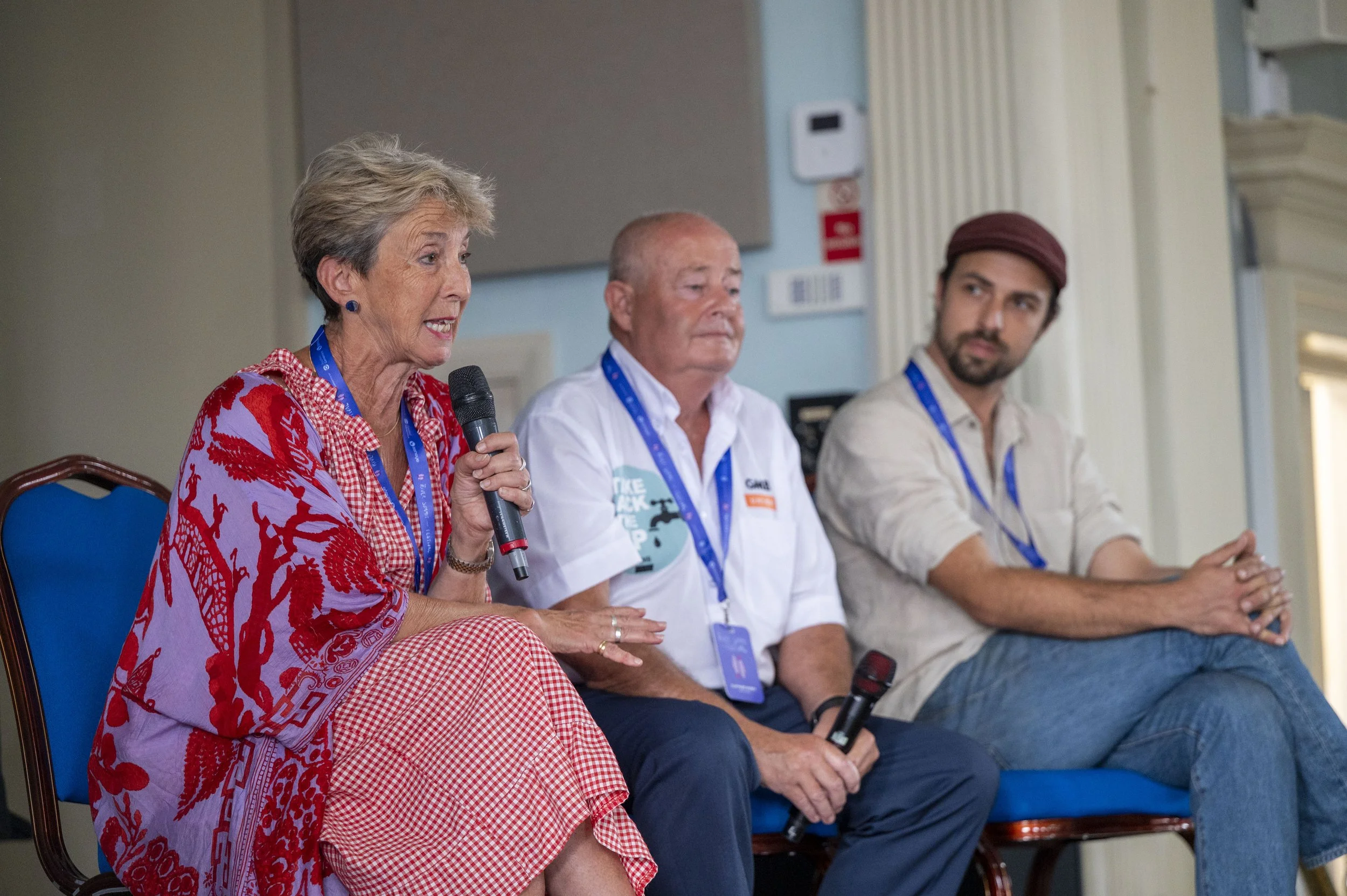
As a grassroots charity, Future for Water wanted a voice at this year’s River Summit for exactly those people, and a clear message that anything anyone does on their local river or water body can make a difference. Matthew Wright chaired, joined by Ash Smith of WASP, Professor Becky Malby of the Ilkley Clean River Group, Clifford Roney of the GMB Union and Maarten Klop, a community organiser. They did not agree on everything, which is what made the session worth listening to. Underneath it sat one question: where does people power actually work, in putting pressure on the people in charge or on the riverbank itself?
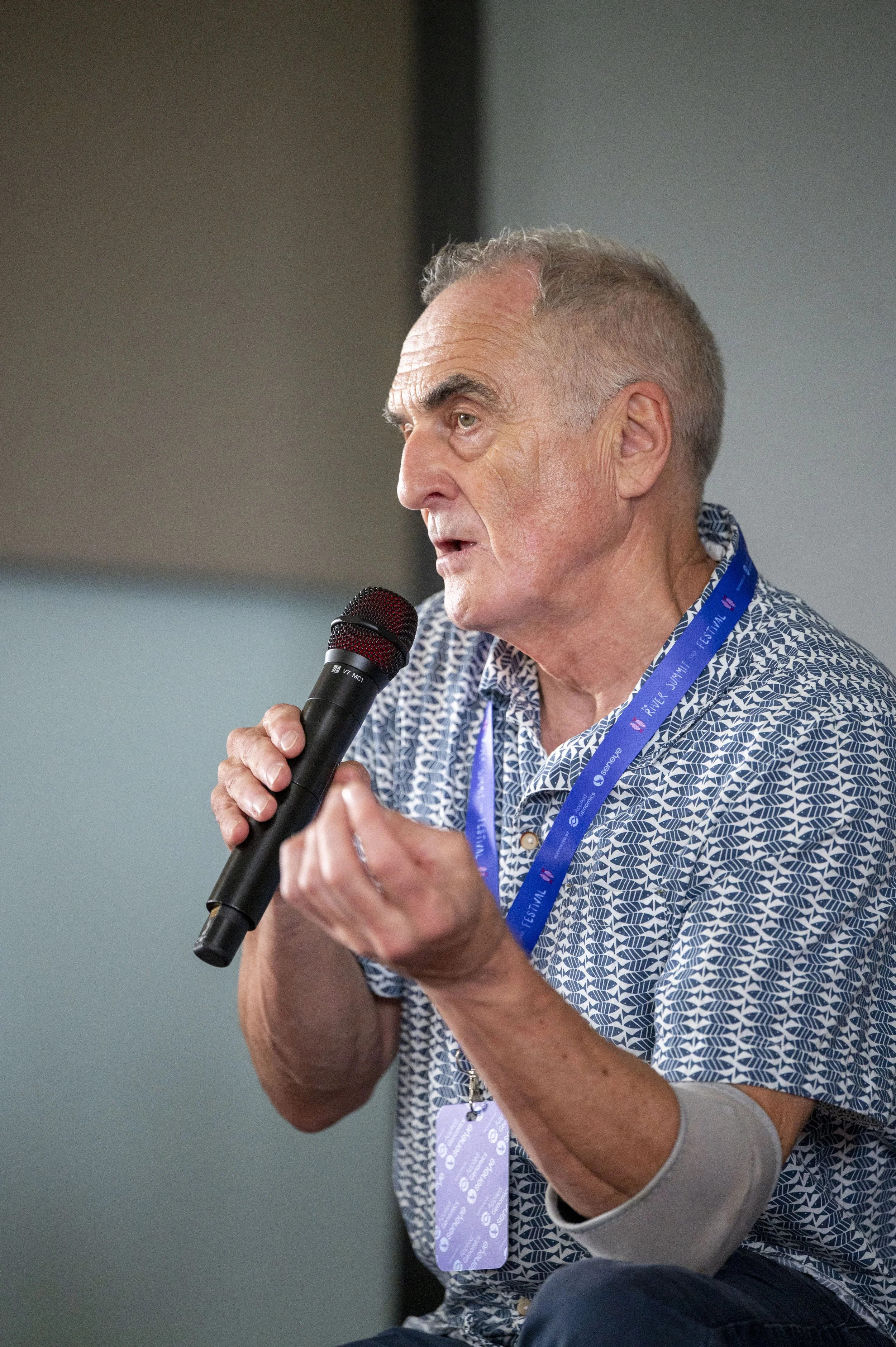
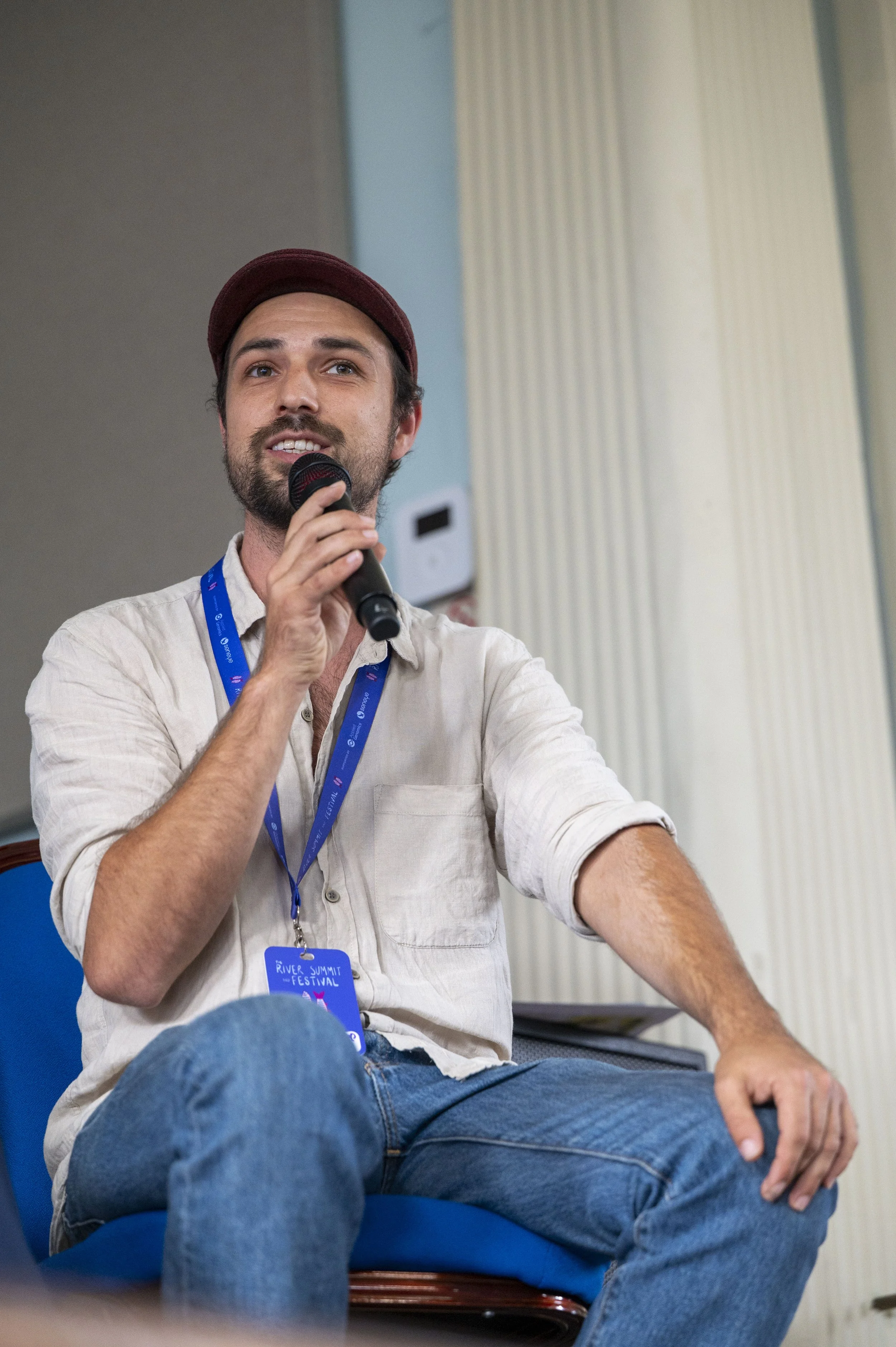
Ash made the case for pressure. He described WASP as a hub of largely retired specialists who have concentrated on honesty and integrity, and who are tired of the big money calling the shots on how our waters are run. After years of avoiding petitions, he started one calling for a referendum on bringing water back into public ownership. He was candid about the tactic: “it’s kind of mischievous because we don’t even want a referendum, do we? We want actually just the spectre of it hanging over government.” Helped by Channel 4’s Dirty Business, which followed the work of Ash and Peter Hammond, the petition passed 200,000 signatures and led to a parliamentary debate on 14 September. His message to a room that might have been tempted to feel powerless was blunt: “Being a passive victim is not a solution. Hope is not a strategy.”
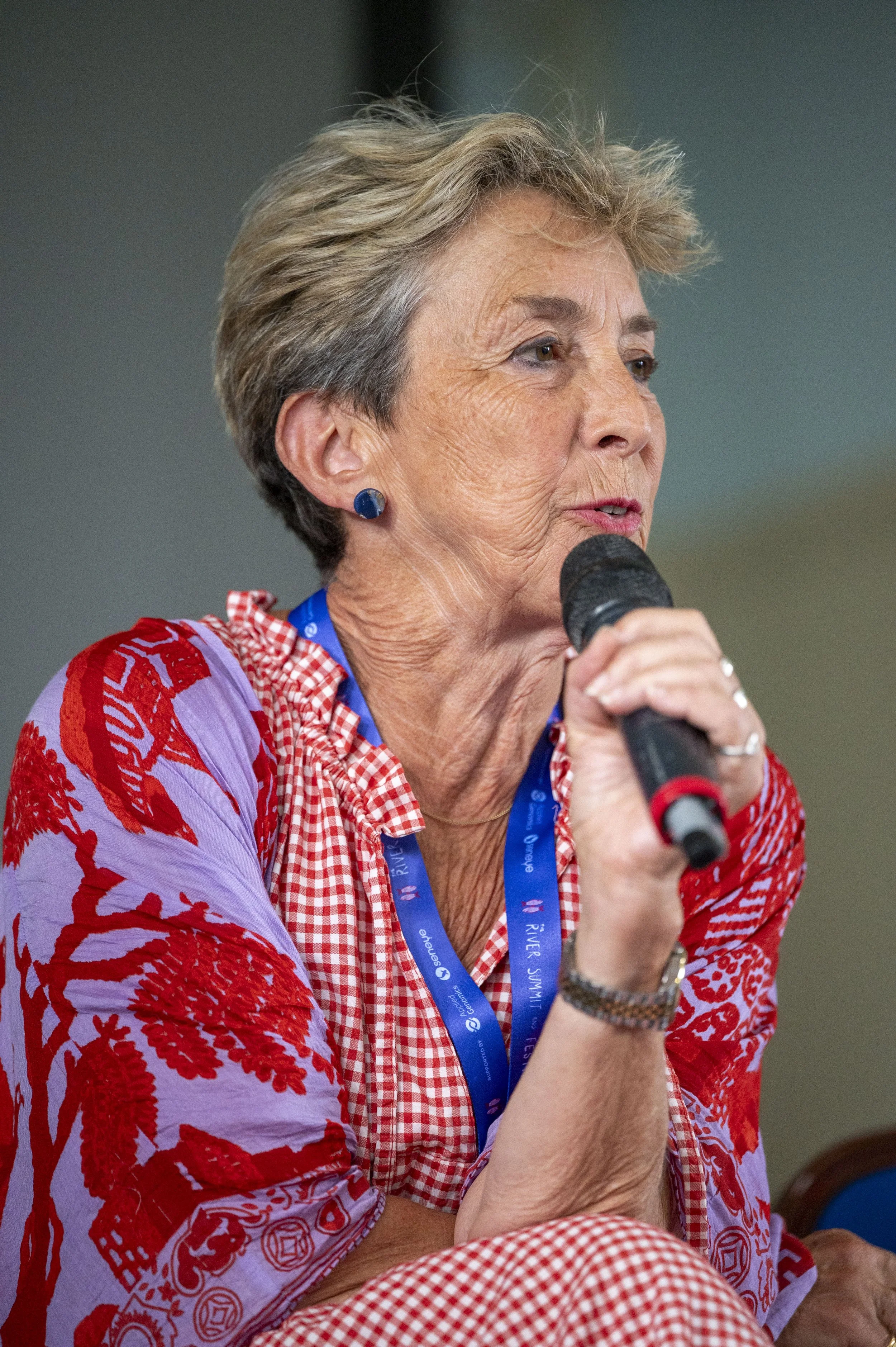
Becky’s story showed both what that kind of pressure can win and how little it can feel like. In Ilkley, a community that started out angry about sewage in its river ended up eating scones in her garden with the chief executive and chair of Ofwat, and the result is a one-mile bathing stretch with compliant overflows and storage tanks and wetlands upstream. Yet she was just as clear that it took eight years to clean up three miles of river, and called that “ridiculous”. Her warning was that endless campaigning can itself be a trap: keeping campaigners running around is “a ploy to wear us out”, and the answer is to stay “razor focused” on making elected representatives do what they were elected to do. Her one-line version of it was “we have to not be weary and we have to keep on being as noisy as we can.”
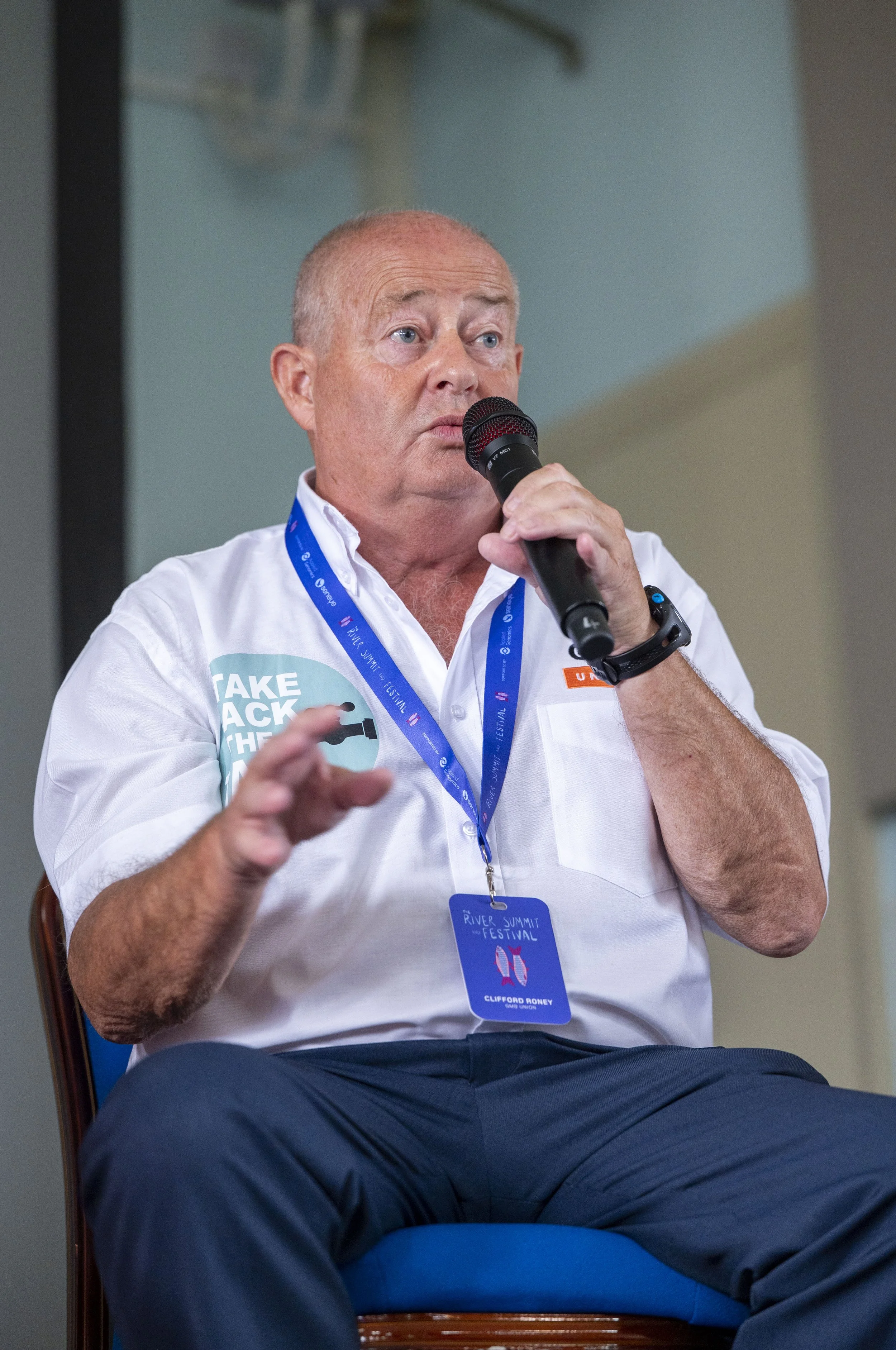
Cliff Roney offered the view from inside the industry. After 40 years at Thames Water, he is retired, which he said is what lets him speak out, “because they can’t sack me, basically”. It is a reminder that there are real risks for people who use their voices. He was keen to separate the people from the owners. The staff who keep the taps running are, he said, “under daily attack from the general public”, when the real damage has been done by owners who sold off assets and paid out huge bonuses instead of looking after the system. “If you don’t maintain things, they fall to pieces.” He asked everyone who wanted to see water companies back in public ownership to raise their hands, and declared: “That’s democracy.” He also pointed to the GMB’s Take Back the Tap campaign, running since 2018, and to the union’s 10,000 members in the industry, who he said are fighting to keep the taps running. His own summary was: “You’re only going to ever achieve anything if you stand up and you fight.”
Maarten Klop then moved the conversation from the political to the physical. He has come to the UK from the Netherlands to join Furnace Brook, an 80-acre site in East Sussex being developed into an ecosystem restoration community, and one of its first problems is a serious pollution incident caused by waste dumped upstream. Two years ago a beautiful, biodiverse fishery lost its aquatic life within 24 hours, with eels crawling onto the banks. The pollution is still going on, and they have decided that “it’s better to get active than to get anxious”. That means acting like beavers, with leaky dams and diversion channels, floating wetlands and biochar booms, all treated as a “living laboratory” that can train others to do the same. Furnace Brook is one of around 140 restoration communities worldwide, and Maarten pointed to examples like arid parts of Spain, where restoring soil and vegetation has created “islands of hope” where water is held in the landscape. He did not pretend the upstream problem goes away: the battles still have to be fought, but “as long as there’s work to be done, there’s work to be done.”
Asked whether he was optimistic, Maarten said that, surprisingly, he is more so than he was ten years ago, because of the “diversely skilled amazing people” willing to help and because of what restoration looks like on the ground. A stream that flowed one month of the year can flow all year again in seven to ten years, and he suggested we could restore our water cycles in around 15 years “if we really decided that”.
Ash told the room that hope is not a strategy. Maarten told it that hope was exactly what he had found, in streams that flow again and in people who turn up. I don’t think they were disagreeing. Pressure on the people in charge and work on the riverbank are one strategy, because without the first the second keeps getting undone upstream, and without the second the first has nothing to point to. What the panel made clear to me is that waiting for someone on a salary to fix this was never going to work, and the River Summit was full of people who had stopped waiting.