

Voluntary River Monitoring Was My Gateway Drug
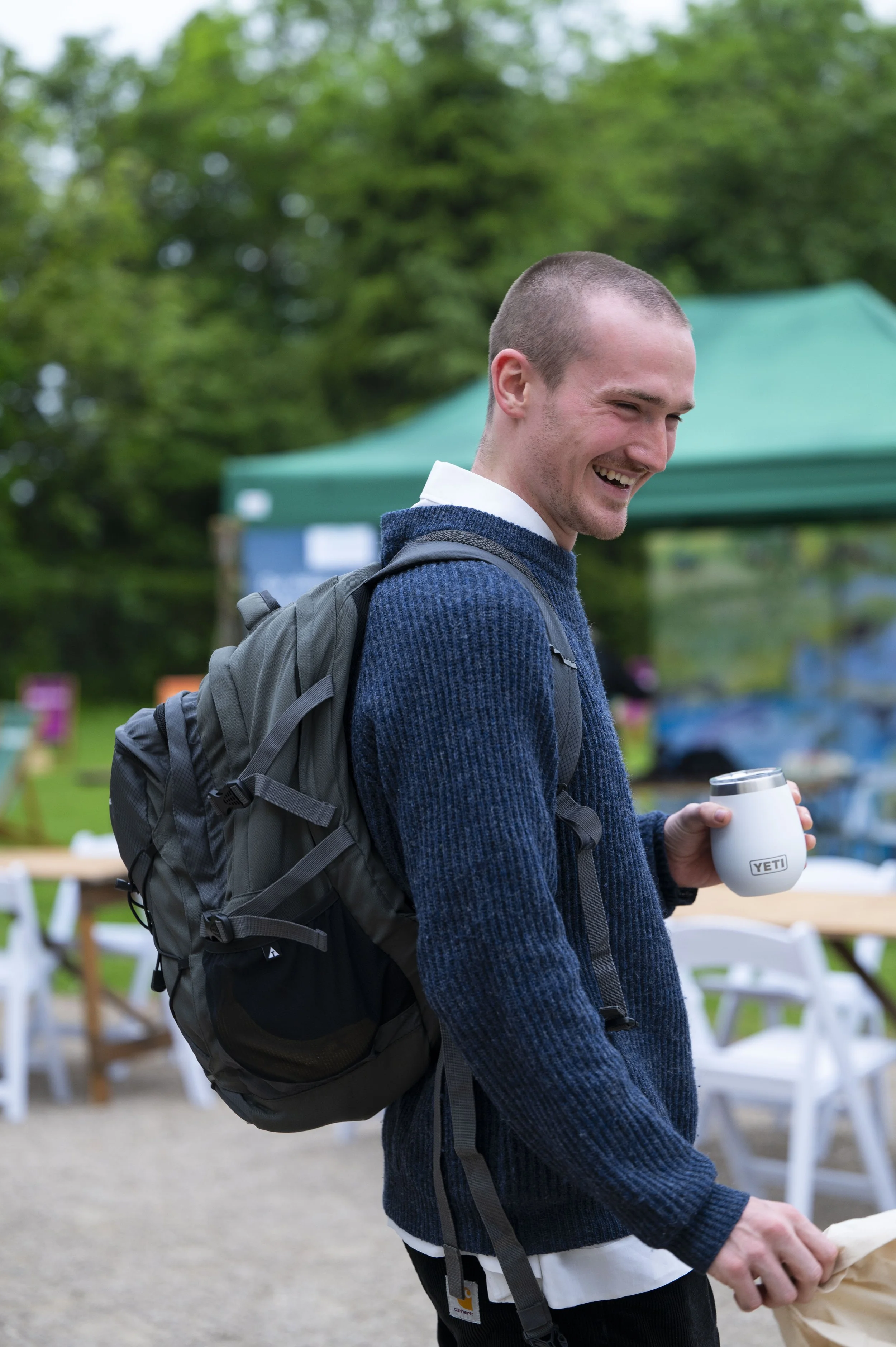
Alex Farquhar, Testing the Waters Consortium
Growing up, I wouldn’t believe you if you said I would be a part of this trailblazing environmental campaigning community, set to gather again for the 3rd Rivers Summit. All my free time was spent playing any sport I could get my teeth into, with fleeting moments in nature on walks in the Cotswolds.
As for many people, lockdown was a game changer. University lectures and sports fixtures were replaced with once-a-day outings back at home, when I would escape into the countryside on long trail runs, spending more time than ever before amongst wildlife. I ran past swathes of yellowhammers, saw hares dart across the path ahead, and growing numbers of red kites in the sky.
Of course, I was aware of biodiversity loss, but it just didn’t seem real. Wildlife seemed abundant to me, with this ‘new normal’ being the only reality I’ve known. My perceptions changed one conversation at a time with older family members, and people on the street every day whilst fundraising for the RSPB. One story which drove the message home was that of driving just 40 years ago, having to constantly wipe windscreens free of bugs, with gas stations having water butts to help along the way.
The same biodiversity collapse has happened underwater, as I learned spending time with Ash and the team at WASP whilst wading through Oxfordshire’s streams to install monitoring devices and cameras – conversations which now happen daily with anglers whilst working at the Angling Trust. It wasn’t through study, but conversation, that the ecological crisis became my felt reality.
It turned out that voluntary river monitoring was a gateway drug. Fast forward to last year’s Rivers Summit, and citizen scientists gathered by the Wandle to reflect on where the community is, and where it could go. Out of this, the Testing the Waters Consortium (TWC) was born.
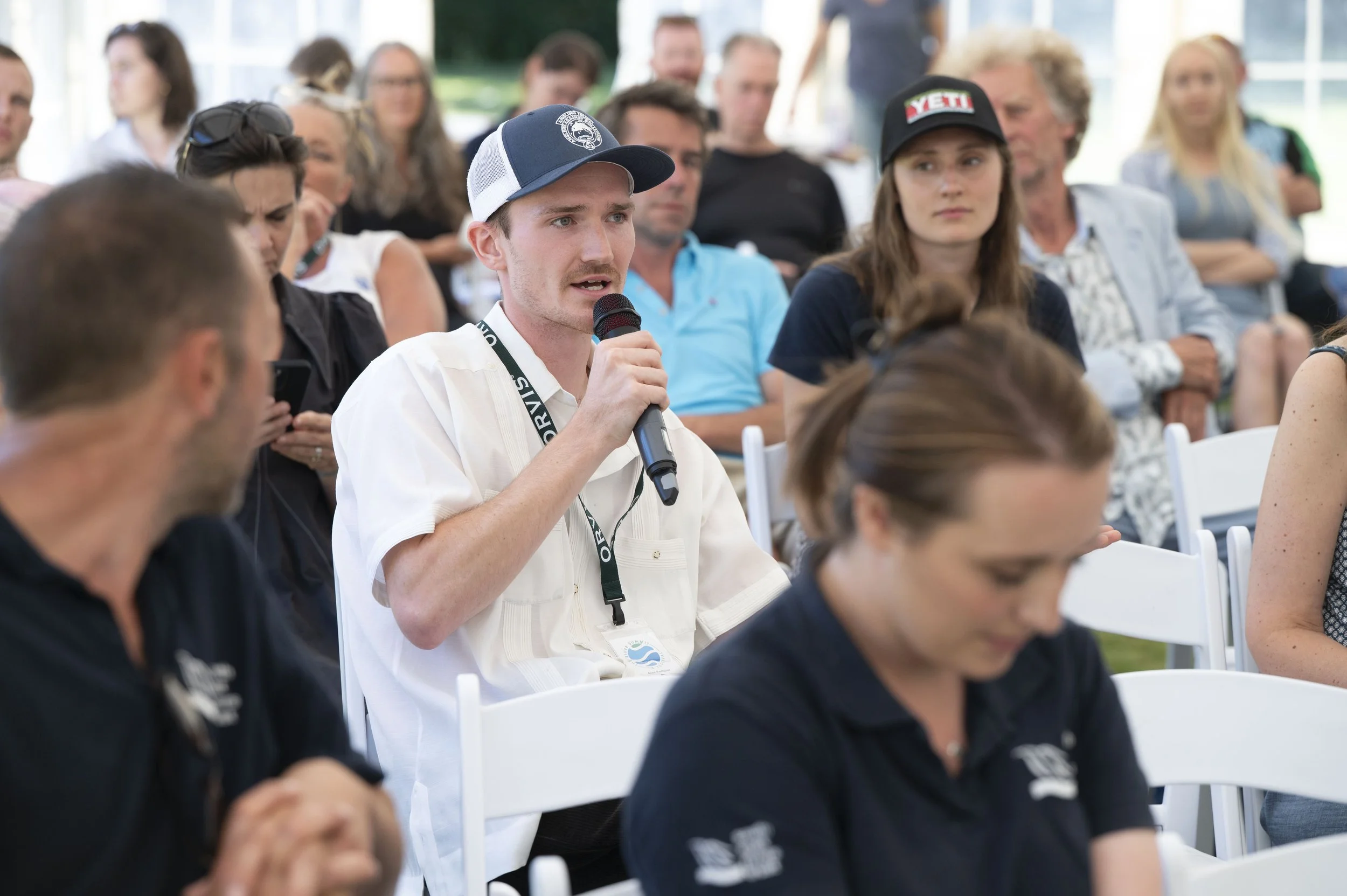
The beauty of the TWC is its independence, with the main resource dedicated being people’s time and passion for change. I can’t wait to see what we can achieve, with support from more than 20,000 volunteers all over the UK. The Make Citizen Data Count campaign is working to make sure citizen science data is used by the regulators to collaboratively improve environmental monitoring. Formal channels for citizen data to really count in the new regulatory system would be a game changer for the thousands of volunteers working tirelessly to monitor our rivers, lakes, and seas.
Spending most days tapping away on a laptop whilst working from home, I can’t wait to be back at the Rivers Summit, meeting new and familiar faces. There’s a lot at stake in the next few years for our aquatic wildlife, and the conversations had at these events always serve as a catalyst for change and collaboration. Let’s see what new shoots grow from this year’s summit.