

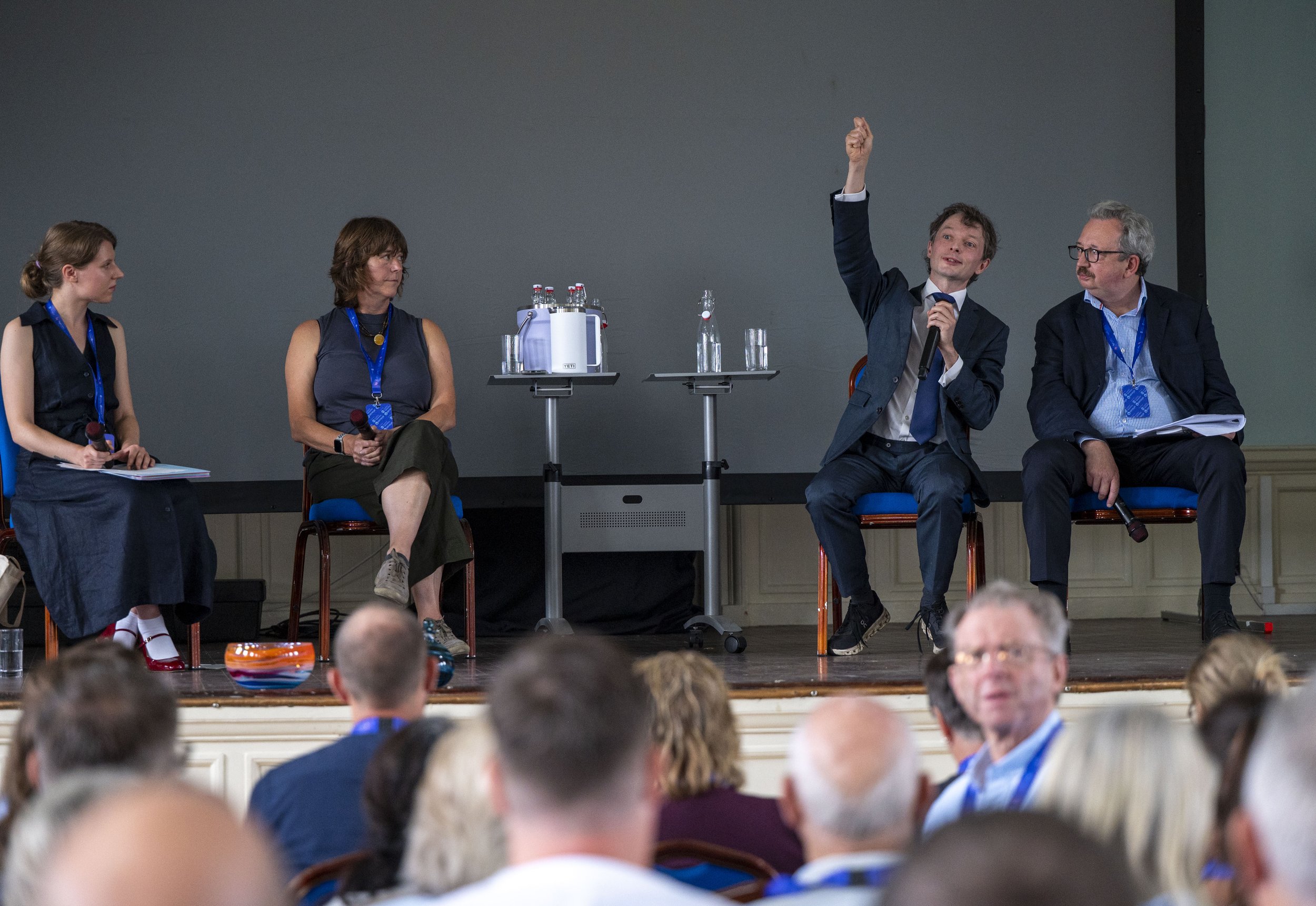
As the government prepares to reshape water regulation, what will it take to deliver real improvements for our rivers? At The River Summit 2026, leading voices from regulation and environmental advocacy explored what must change and why reform needs to go far beyond the water industry.
Chaired by Shosha Adie of ENDS Report, the discussion brought together Helen Wakeham, Director of Water at the Environment Agency, Richard Benwell, Chief Executive of Wildlife and Countryside Link and Mark Wiltsher, Senior Director of Communications at Ofwat (who stood in for Chris Walters, interim CEO due to illness).
Beyond the water industry
One of the strongest messages was that improving river health requires a much broader view of the pressures affecting our waterways.
Helen Wakeham highlighted the significant contributions of agriculture, transport and urban runoff, warning that the intense focus on water companies risks obscuring other sources of pollution.
Richard Benwell argued that environmental protection must be central to the new regulatory framework, "Never again can short-term financial interests be privileged over the long-term future of our environment."
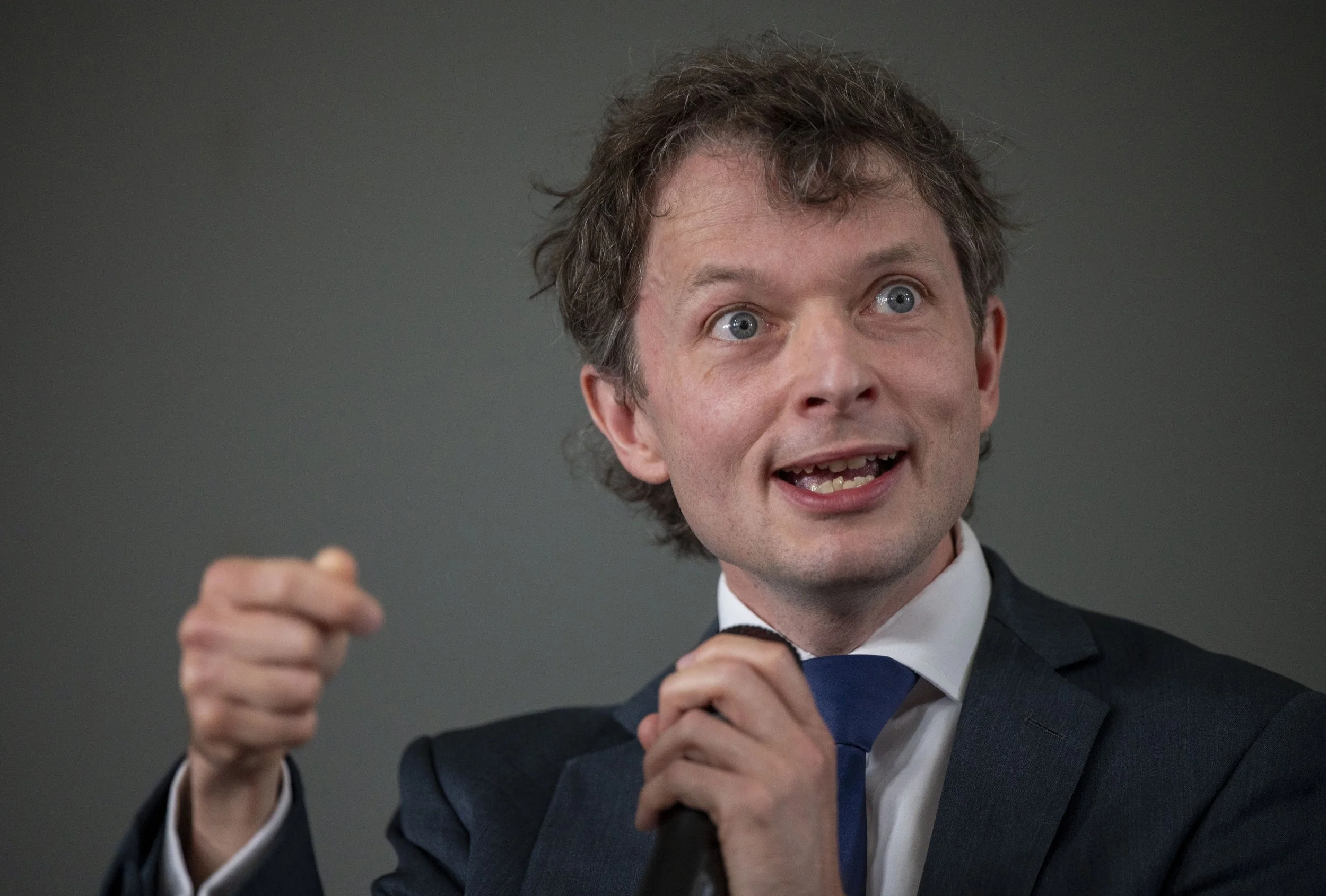
The challenge is not simply to regulate more effectively, but to ensure that investment, enforcement and long-term environmental objectives work together.
Reform must deliver real change
With plans for a new water regulator taking shape, the panel discussed how closer collaboration could address the fragmented responsibilities of the current system.
But reform alone will not restore rivers. Mark Wiltsher emphasised that rebuilding trust requires visible improvements in river health and customer service. He also called for a different approach to engagement, "Any new regulator... needs to engage and listen more and bring a large degree of humility to that discussion."
Who values water and who pays?
The conversation also explored the growing pressures of drought, water scarcity and industrial demand, including the expansion of data centres.
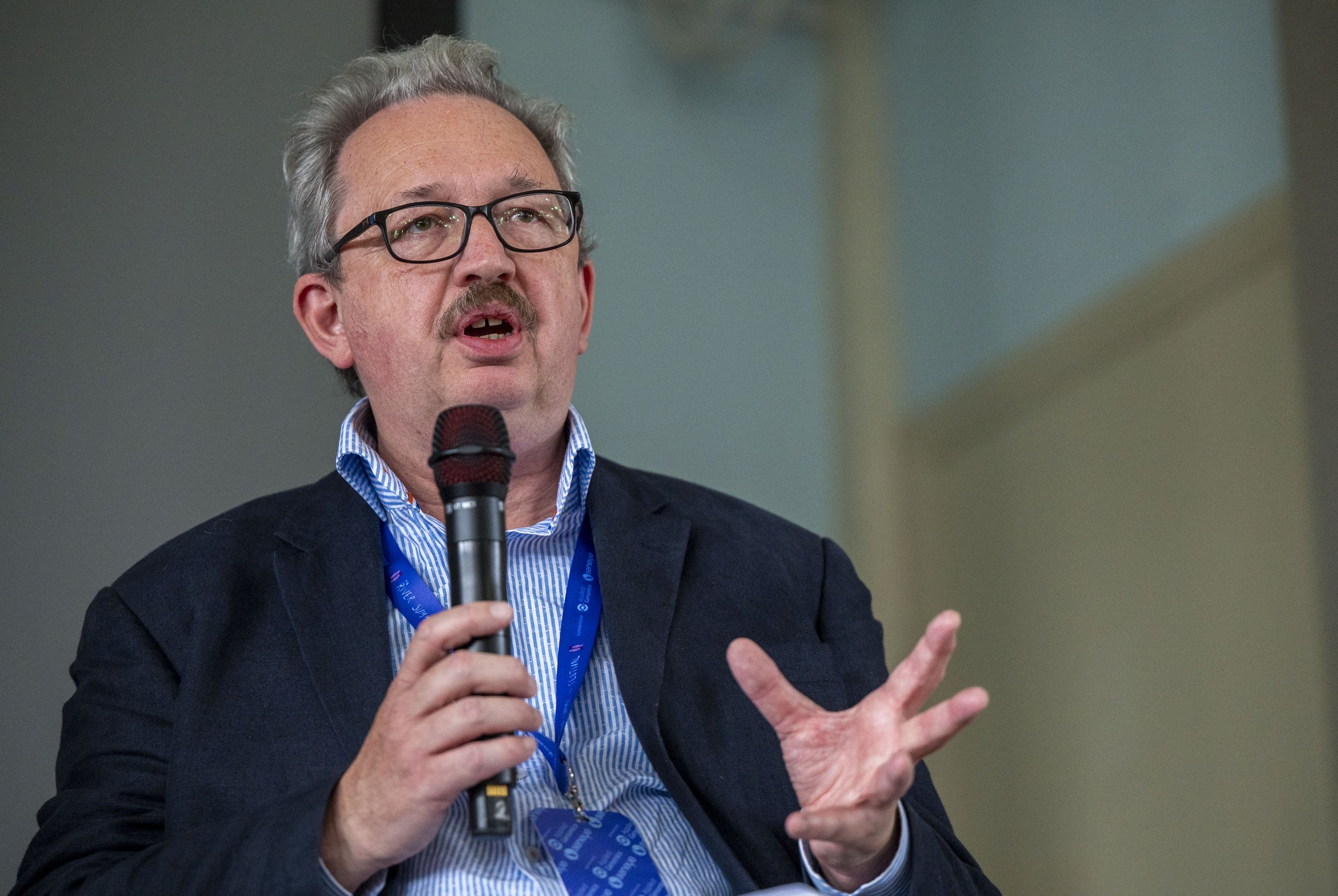
Helen Wakeham questioned whether current approaches adequately reflect the value of water, pointing to the need for better measurement, stronger incentives and a fundamental rethink of how water is used and paid for. As she observed, water is no longer something we can take for granted.
Richard Benwell challenged the priorities underpinning major infrastructure decisions, asking, "What's really our critical infrastructure?"
His argument was clear - the natural environment that protects us from floods, drought and other climate impacts deserves recognition and investment.
From observers to participants
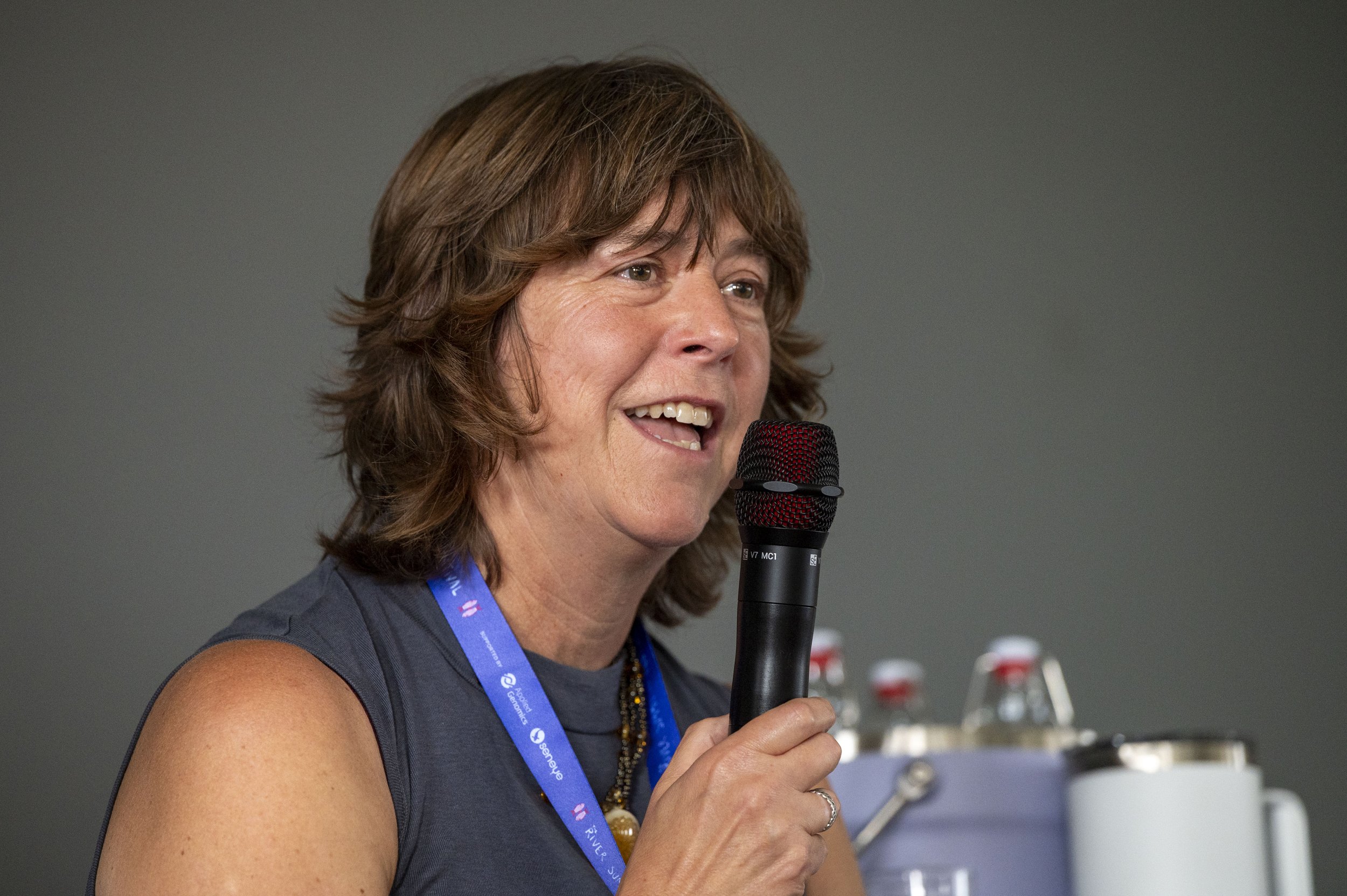
Perhaps the most important message was about who gets to shape the future of water. Discussing regional planning and the need for different sectors to take responsibility, Helen Wakeham said, "Everybody who's got skin in the game needs to come as a participant, not as an observer."
That sentiment goes to the heart of The River Summit.
The future of our rivers cannot be determined by regulators, water companies or policymakers alone. It requires meaningful participation from communities, scientists, environmental organisations, businesses and everyone with a stake in healthy waterways.
The question is not simply how we regulate water differently, but how we work together to deliver the changes our rivers urgently need and perhaps the most pertinent question of all is, ‘if the regulators enfirced existing laws, would we actually need a new super regulator?’
Regulating Rivers for the Future was part of The River Summit & Festival 2026 in Henley-on-Thames.