

The River Must Have a Seat at the Table
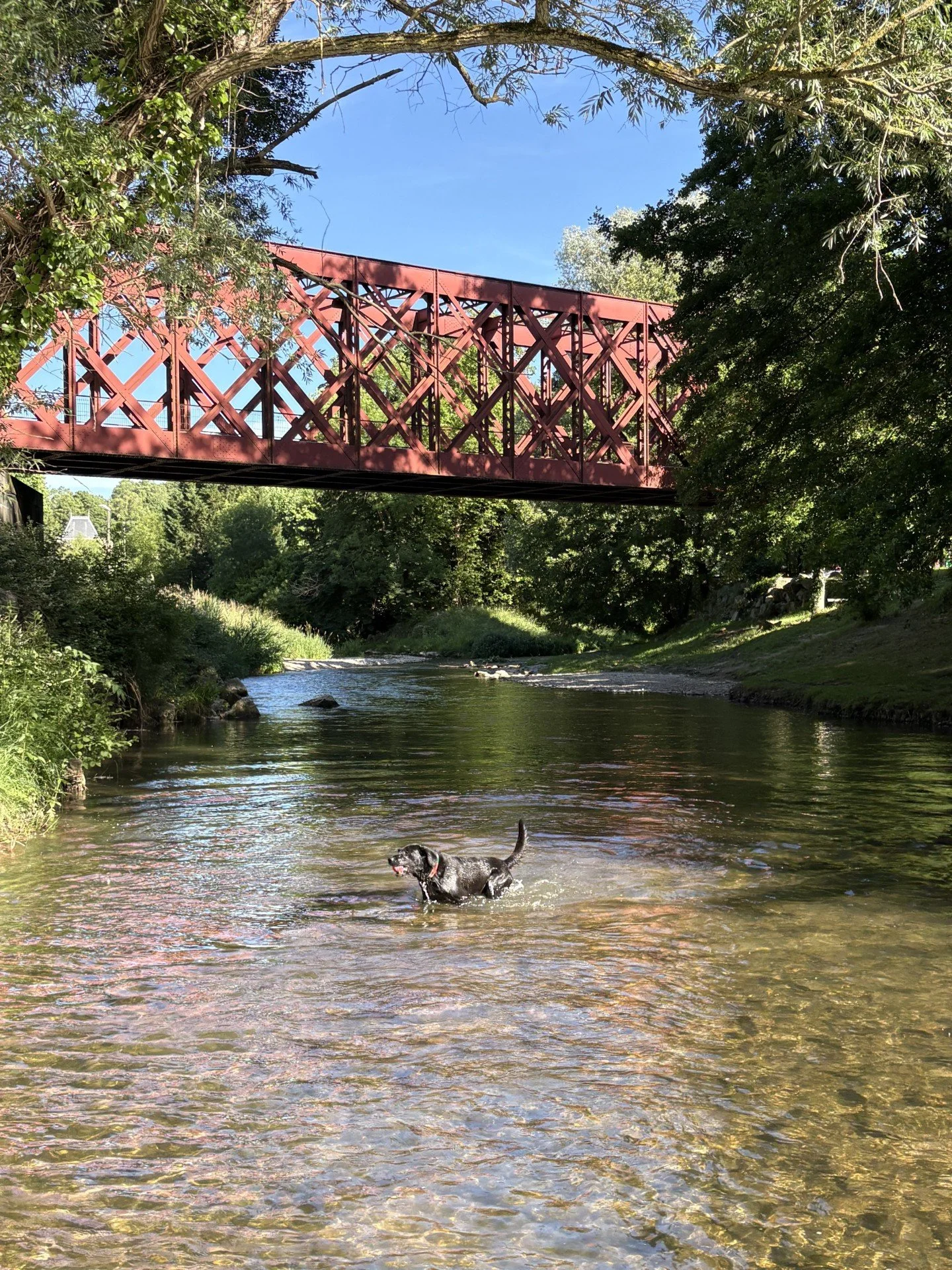
The confluence of rivers at the bottom of the garden
When we talk about who owns our water, we talk about pension funds and private equity, regulators and water companies, shareholders and bill payers. We talk about investment, infrastructure, returns and reform.
We do not talk about the river.
The river as the living, breathing, ancient thing at the centre of all of it has no voice in these conversations, no legal standing in most places, no rights. It is the subject of every debate and a participant in none of them.
The UK water crisis is described as a regulatory failure, a financial failure, a political failure and it is all of those things, but underneath all of them is something older and harder to fix which is a cultural failure - a failure of how we see water itself.
We have spent generations teaching ourselves to see rivers as resources - things to be managed, abstracted, priced and owned. The language gives it away. We talk about water "assets", "catchment management", "abstraction licences", even "clean rivers" - clean for whom and for what purpose?
When a river is only a resource, it can be owned. When it can be owned, it can be neglected. When it can be neglected, it can be poisoned. The crisis in our waterways is not an accident, it is the logical conclusion of a worldview that never learned to see a river as alive.
I live by a river. Two more meet it at the bottom of my garden, under a red bridge, near the petanque club. I am by water almost every day and I have never once thought of it as a resource. It is a living thing, it has moods, it changes, it gives and it takes. To reduce it to an asset on a balance sheet feels not just wrong but faintly absurd.
Other cultures understand this differently. The Whanganui River in New Zealand has been granted legal personhood - the same rights as a human being. The Torres Strait Islanders brought a case to the United Nations arguing that the failure to protect their environment was a violation of their human rights. Monica Feria-Tinta, who will be speaking at the River Summit in September, has spent her career arguing that nature deserves not just protection but standing.
These are not fringe ideas. They are the beginning of a different relationship, one where the river is not a commodity to be owned but a living entity with its own rights, its own voice and its own future.
The systemic failures in the UK water industry, the financialisation, the underinvestment, the sewage, the regulatory capture, cannot be fixed by tweaking the system. They are the system, working exactly as a resource-extraction model was always going to work.
Real change requires a different question. Not who owns the water, but whose river is it, really?
These are themes we will be exploring at The River Summit and Festival on 4th and 5th September in Henley-on-Thames. All are welcome. www.theriversummit.com
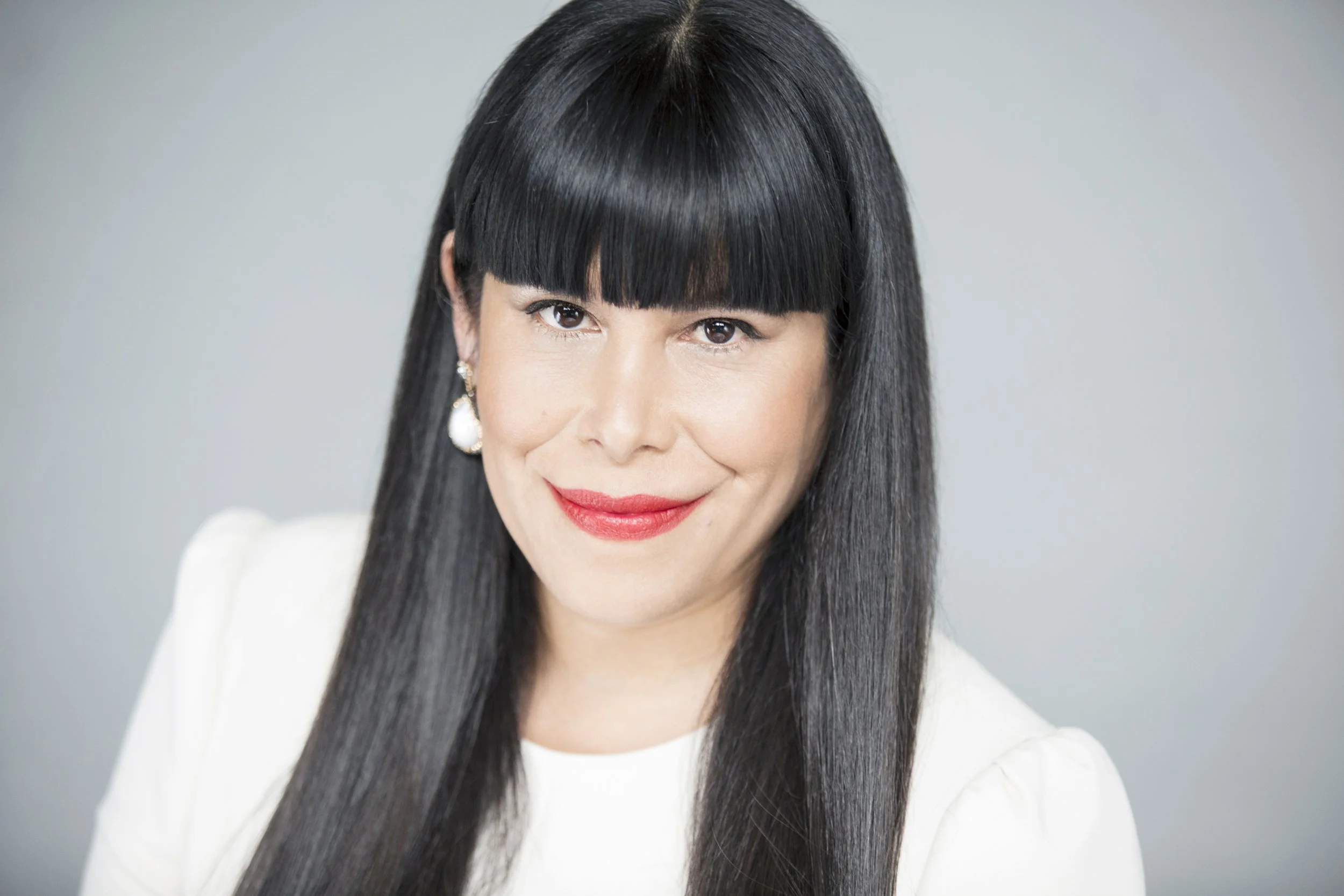
Monica Feria-Tinta