

Who owns the water coming out of your tap (or not…) and does it matter?
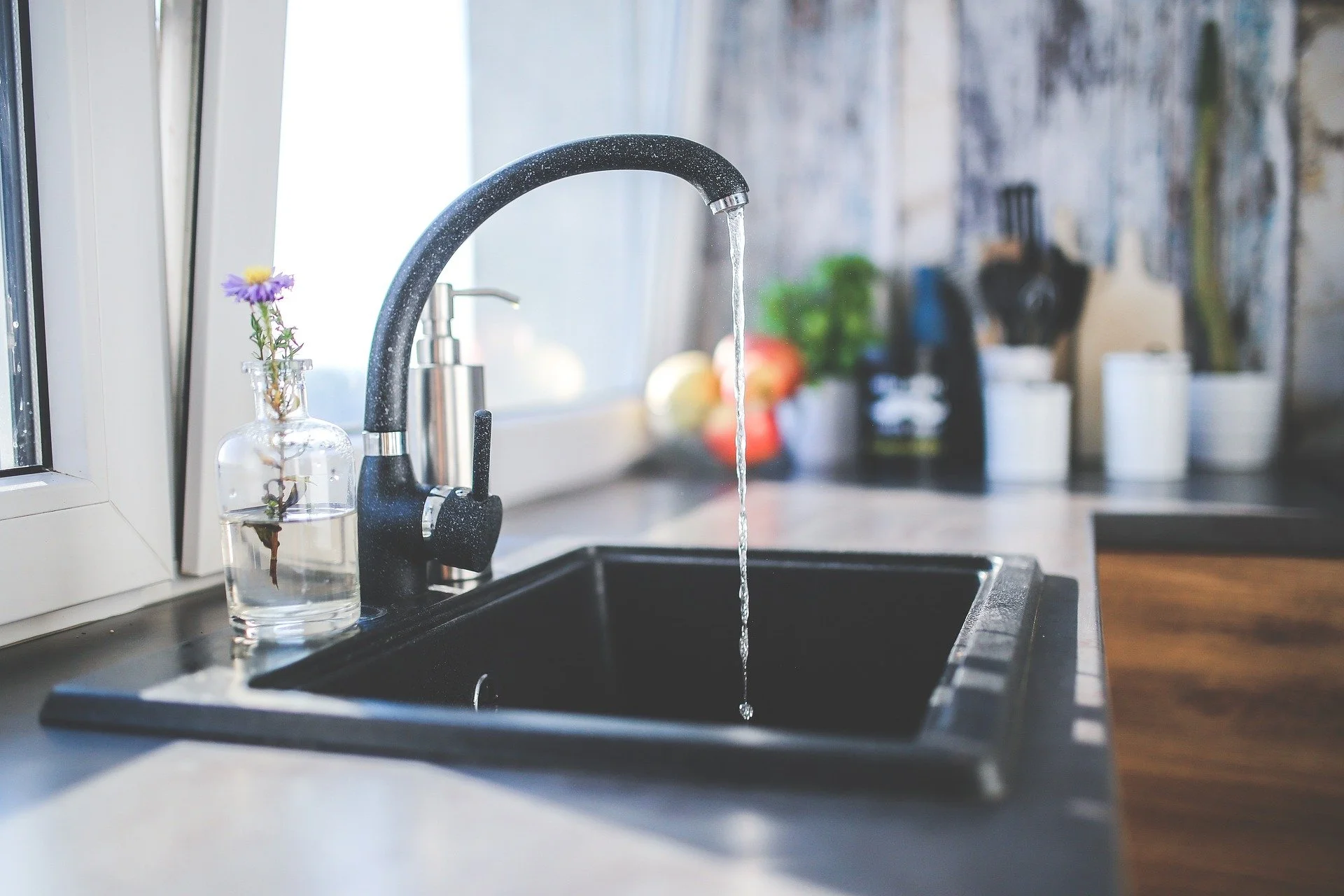
Thousands of people in Whitstable woke up recently without water, following outages linked to South East Water during periods of extreme heat. Queues formed outside supermarkets. Businesses closed. A local councillor described the situation as “unbelievable.”
South East Water is owned by a consortium of international infrastructure investors, including Australian and Canadian funds, alongside UK institutional investors.
This is not unusual. A significant proportion, often estimated at over 70%, of England’s water industry is owned by overseas investors and investment funds. Northumbrian Water is ultimately owned by a Hong Kong–based conglomerate. Thames Water has, over time, included sovereign wealth funds from Kuwait, Abu Dhabi and China among its investors. Anglian Water is owned by pension funds from Canada and Australia.
Meanwhile, the world’s largest asset manager, BlackRock, holds stakes in several UK water companies, including Severn Trent and United Utilities, and is also one of the largest shareholders in Nestlé, which owns Buxton, the bottled water many of us reach for when the tap fails.
Large global investors, in other words, are present across multiple parts of the water system from utilities to bottled water.
None of this is secret. It is simply not part of the conversation we tend to have when the water runs out.
France took a different path. Paris brought its water back into public ownership in 2010, ending contracts with Veolia and Suez. Water prices reportedly fell by around 8% in the first year, investment increased, democratic participation followed.
It is worth asking, calmly, and without assuming there is one simple answer, whether the model matters, whether who owns something as fundamental as water shapes how it is managed, invested in, and prioritised.
These are the conversations we will be having at The River Summit and Festival on 4th and 5th September in Henley-on-Thames. We don’t have all the answers. But we think the questions deserve an honest airing.
Future for Water is an independent organisation. We don’t represent any single industry, company or agenda.